

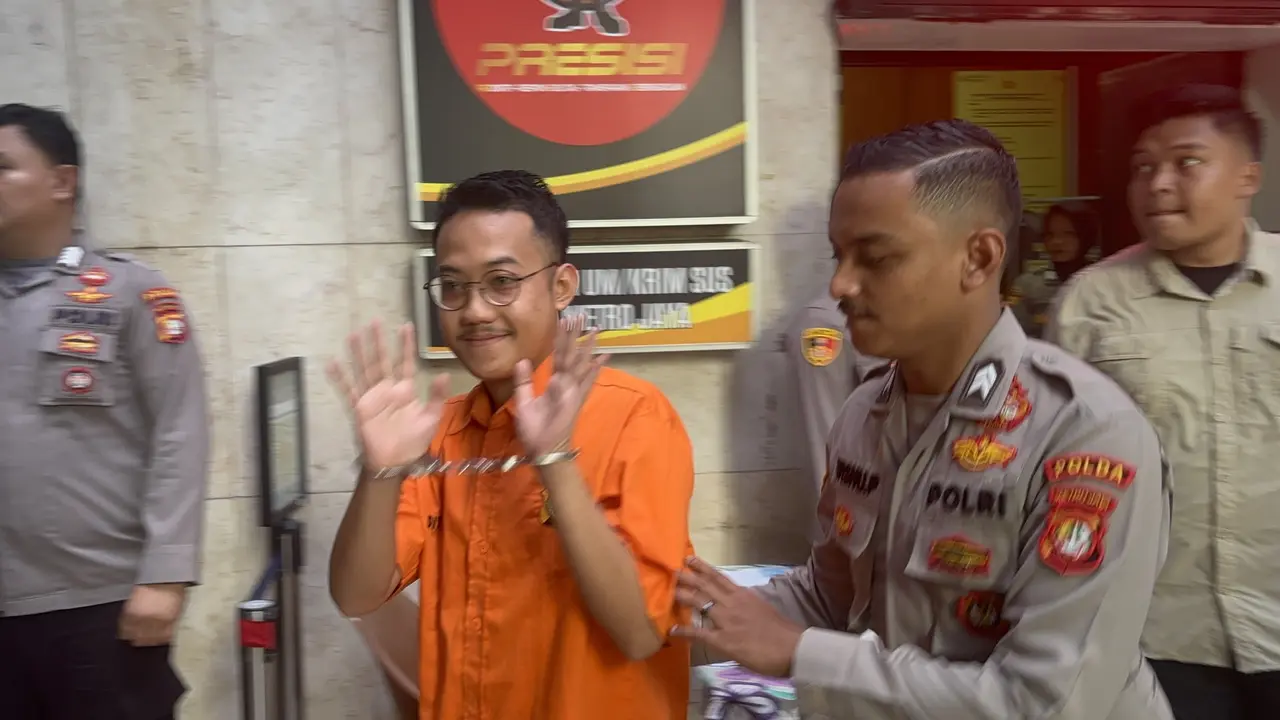
Legal Literacy - Investigators from the Directorate of General Crime (Dittipudum) of the Indonesian National Police Criminal Investigation Department (Bareskrim Polri) have complied with the request of the public prosecutor (JPU) to hand over responsibility for seven former members of the Overseas Election Committee (PPLN) of Kuala Lumpur, Malaysia, and evidence related to alleged election violations to the JPU for stage II.
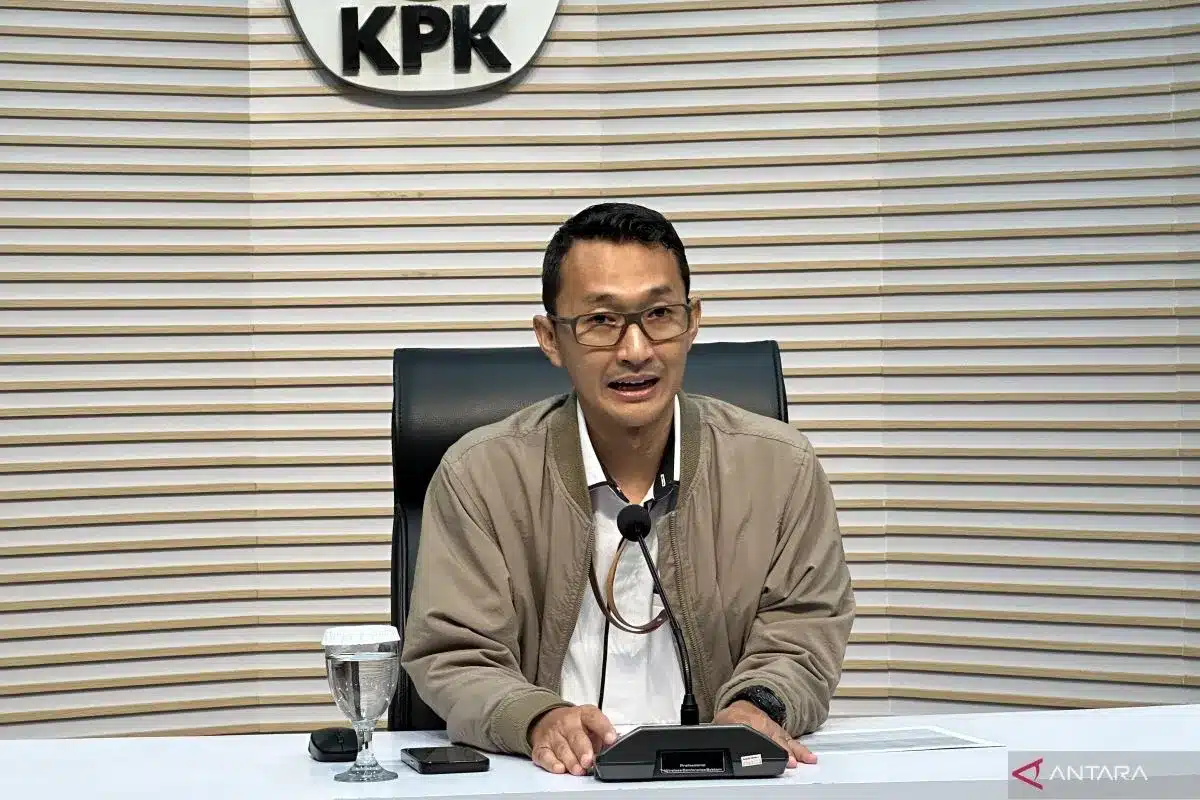
Police Brigadier General Djuhandhani Rahardjo Puro, Director of General Crimes of the Indonesian National Police Criminal Investigation Department, stated that the stage II handover process was carried out after the case file was declared complete by the JPU or P-21.


Djuhandhani explained that the seven former members of the Kuala Lumpur PPLN were not detained. They have been cooperative during the summons and examination process.
Previously, the Investigating Prosecutor Team from the Junior Attorney General for General Crimes (Jampidum) of the Attorney General's Office had stated that the case file related to alleged election violations by seven former members of the Kuala Lumpur PPLN was complete both formally and materially, or P-21.
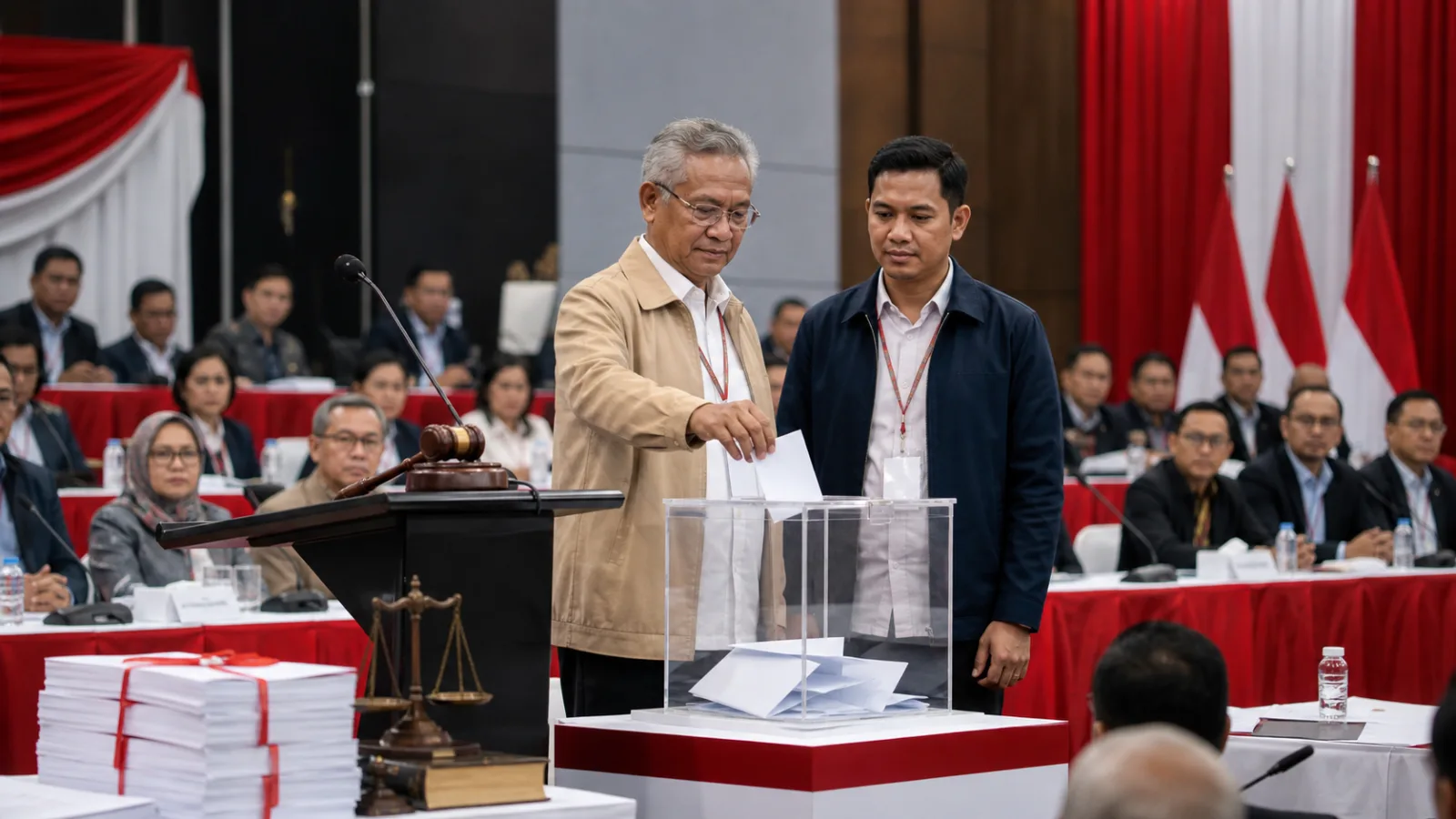
The suspects are alleged to have committed election violations in accordance with Article 545 and/or Article 544 of Law Number 7 of 2017 concerning General Elections. This case is related to the alleged addition and falsification of data in the Permanent Voter List (DPT) during the implementation of the Elections in Kuala Lumpur.
The alleged addition and falsification of data occurred after the General Election Commission (KPU) issued Potential Voter Population Data for Elections (DP4) of 493,856 votes for the Kuala Lumpur area, while the PPLN reported only 447,258 voters.
After the case file was considered complete, the Investigating Prosecutor Team asked the Investigators of the Directorate of General Crimes of the Indonesian National Police Criminal Investigation Department to hand over responsibility for the suspects and evidence to the Public Prosecutor (Stage II) to determine whether the case is suitable for referral to court.


















Comments
0Share your perspective politely, stay relevant, and focus on the article. Comments appear after moderation.
Join the discussion
Write a clear, polite response that stays on topic.
No comments yet. Be the first to discuss.
Comments will appear after moderation.