

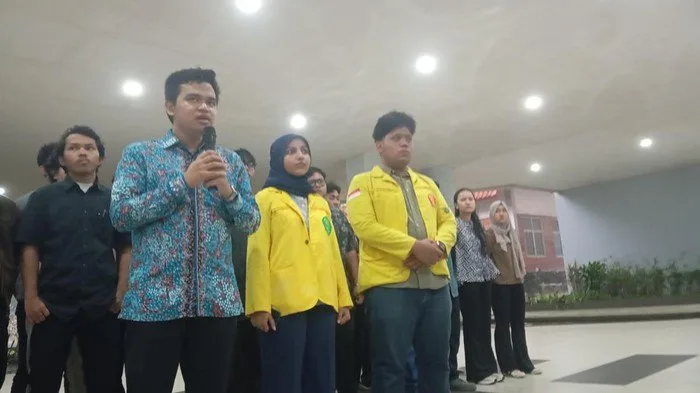
JAKARTA, LITERASIHUKUM.COM — The disclosure of various legal and institutional scandals, ranging from criminal acts of corruption to cases of sexual violence in academic settings, such as the one that recently emerged at the University of Indonesia, often begins with the courage of a whistleblower or whistleblower. The presence of internal parties who dare to blow the whistle on hidden crimes becomes a crucial instrument in efforts to enforce the law and ensure transparent organizational governance.
Terminologically, whistleblower refers to an individual—often an "insider" of an institution or company—who exposes illegal acts, abuse of power, fraud, and threats to public safety to the competent authorities. Different from a cooperating witness or justice collaborator who are directly involved and become part of the crime, a whistleblower principally acts as an external party to the crime itself, who knows and reports the crime without being part of the main perpetrators.


In the practice of law enforcement in Indonesia, the scope of disclosure by a whistleblower covers various dimensions of serious violations. Actions that commonly fall within this reporting radar include white-collar crimes such as bribery and corruption, massive environmental destruction, systematic efforts by institutions to cover up wrongdoing, and structural sexual harassment scandals. The presence of internal reporters is highly needed to break the silence, considering that these crimes have often been normalized in closed ecosystems, so that those who do not participate are considered an anomaly.
Legal Shield for the Whistleblower
Given the high risks involved, the state provides strong legal protection guarantees for individuals who dare to take the step of becoming a whistleblower. Juridically, the foundation of this protection is firmly based on Law Number 13 of 2006 which has been amended by Law Number 31 of 2014 concerning Protection of Witnesses and Victims. Through this legal umbrella, the state delegates a mandate to the Witness and Victim Protection Agency (LPSK) to ensure the physical, psychological, and administrative protection of the reporter.
In addition to these legislative products, the Supreme Court has also strengthened the position of reporters through the Circular Letter Supreme Court (Circular Letter) Number 4 of 2011 concerning Treatment for Criminal Offense Reporters and Perpetrator Witnesses who Cooperate. One of the most fundamental protection guarantees provided by Indonesian positive law is the right to immunity. A reporter who acts in good faith cannot be prosecuted criminally or sued civilly for the report or testimony he or she provides.
Furthermore, if the reported party launches a legal counterattack (counter-claim) on the grounds of defamation or other offenses, law enforcement officials are required by law to postpone the process of the counter-report. Law enforcement must prioritize and ensure the resolution of the main case uncovered by the whistleblower first. Through this layered protection construction, the Indonesian criminal justice system seeks to create a safe climate to combat structural crime without the threat of criminalization for whistleblowers.[1]





















Comments
0Share your perspective politely, stay relevant, and focus on the article. Comments appear after moderation.
Join the discussion
Write a clear, polite response that stays on topic.
No comments yet. Be the first to discuss.
Comments will appear after moderation.