
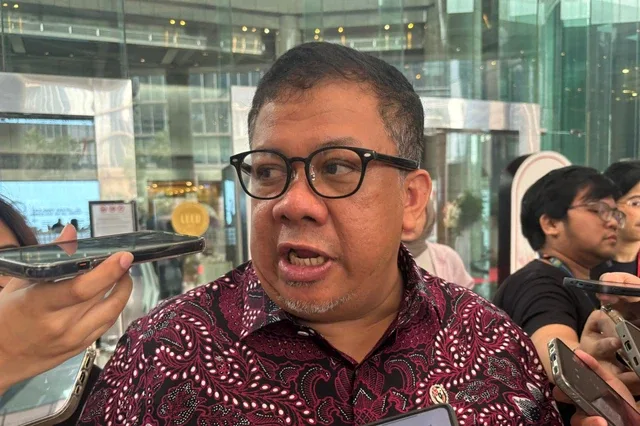
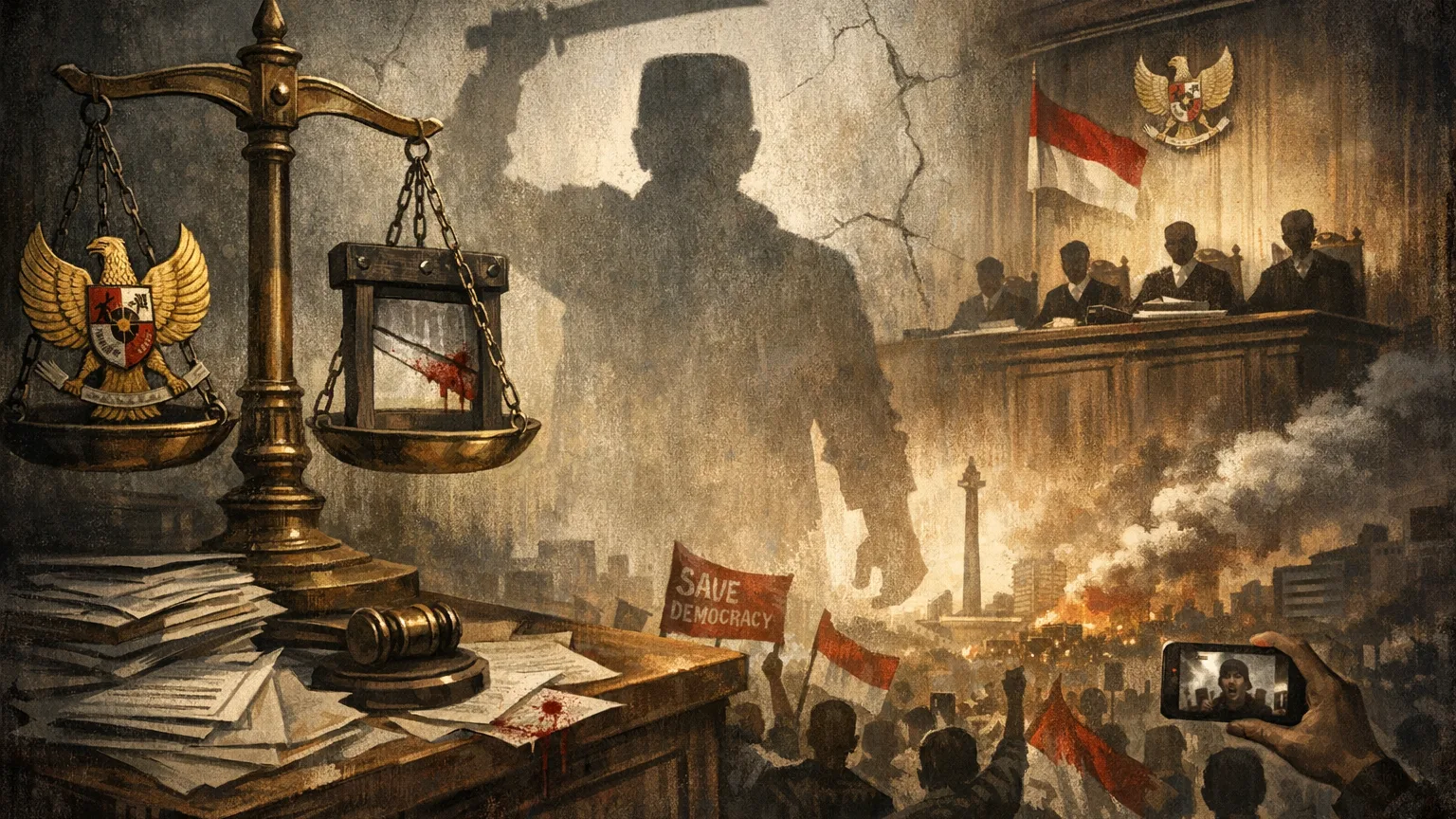
JAKARTA, LITERASIHUKUM.COM — Deputy Minister of Housing and Human Settlements as well as Deputy Chairman of the Gelora Party Fahri Hamzah responded to the viral video clip featuring political observer Saiful Mujani talking about efforts to overthrow President Prabowo Subianto. Fahri emphasized that the public should continue to speak within the framework of constitutional democracy and not provide space for actions he deems unconstitutional.
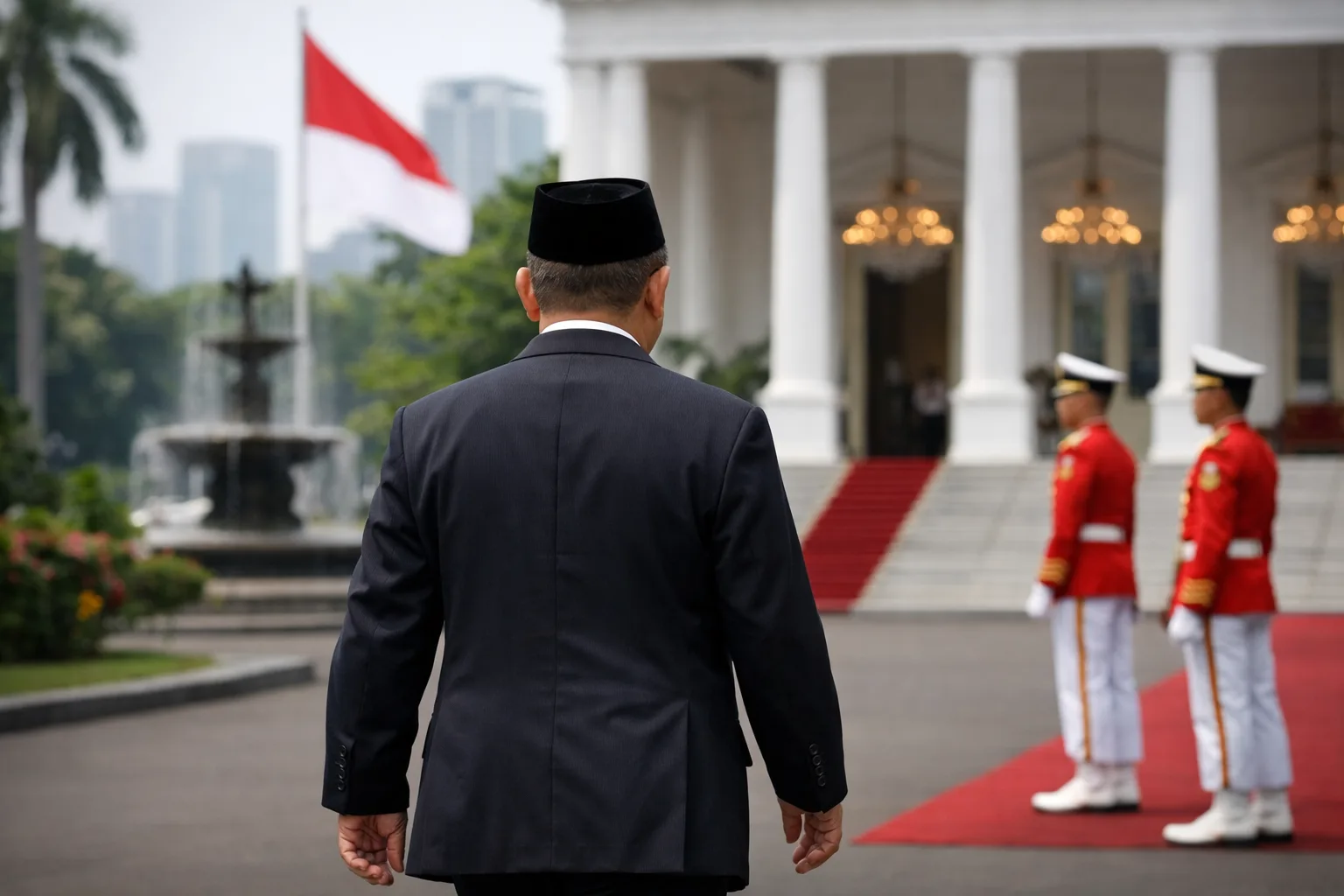
After a meeting with President Prabowo at the Jakarta Presidential Palace complex on Monday (6/4/2026), Fahri said that unconstitutional actions are dangerous because they can trigger chaos amidst a global situation that he believes is unstable. He also reminded that in the Indonesian constitutional system, state accountability does not only lie with the president, but is distributed among other branches of power.


Fahri further asked all parties to introspect and maintain national unity. According to him, the world is in a situation that demands unity, while the Prabowo government is said to be trying to fix leaks and waste. Therefore, he believes that political debates should remain within a constitutional framework, not directed at steps that could create new turmoil.
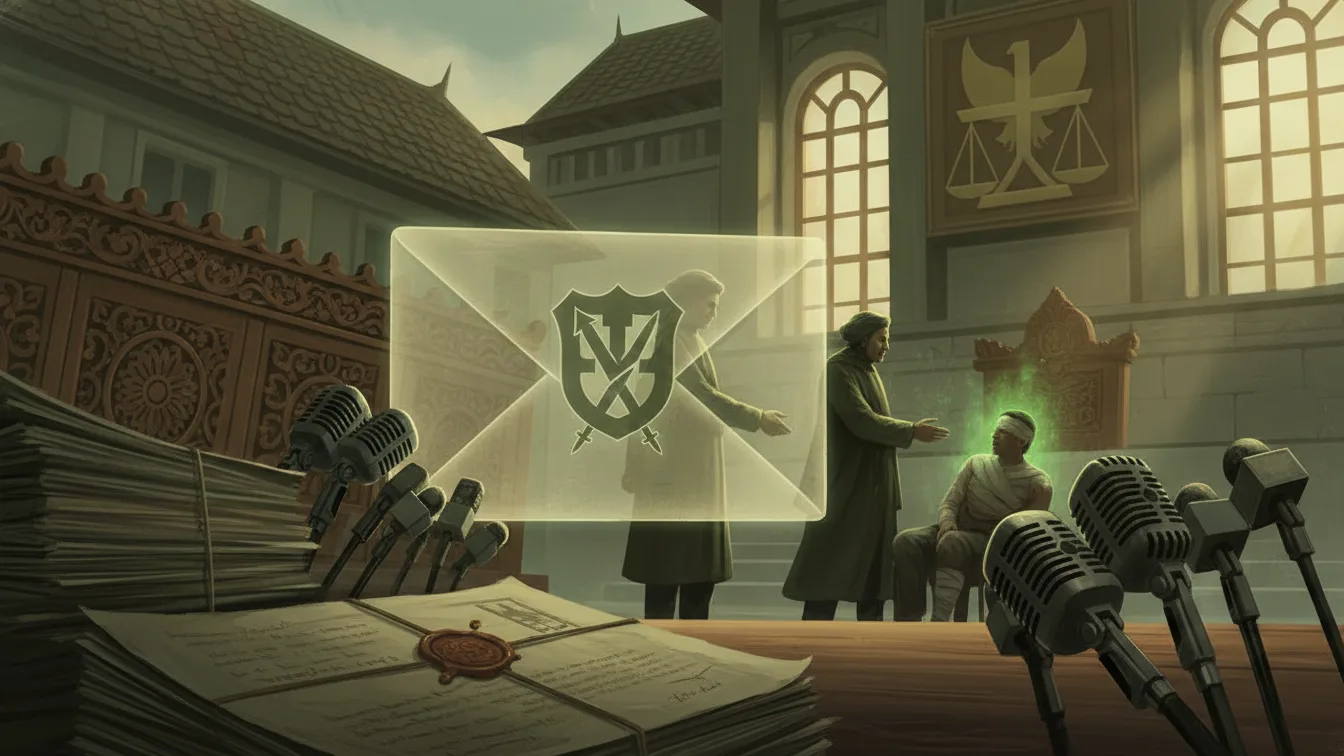
This polemic began with the circulation of a video clip of Saiful Mujani's statement which was then interpreted as an invitation to overthrow Prabowo. However, that evening, Saiful clarified that his statement was not treason, but a form of political attitude or political engagement in a democracy. He explained that the statement was made in an open halal bihalal forum attended by academics and observers.
Saiful also asserted that political stance, freedom of speech, and freedom of assembly are part of the constitutional rights of citizens. In his explanation, he mentioned that verbal statements made in public spaces cannot be immediately categorized as treason. Thus, this polemic now moves on two tracks: on one hand, there is criticism that such calls are dangerous and unconstitutional; on the other hand, there is a defense that what Saiful conveyed is still within the realm of legitimate political expression in a democracy.
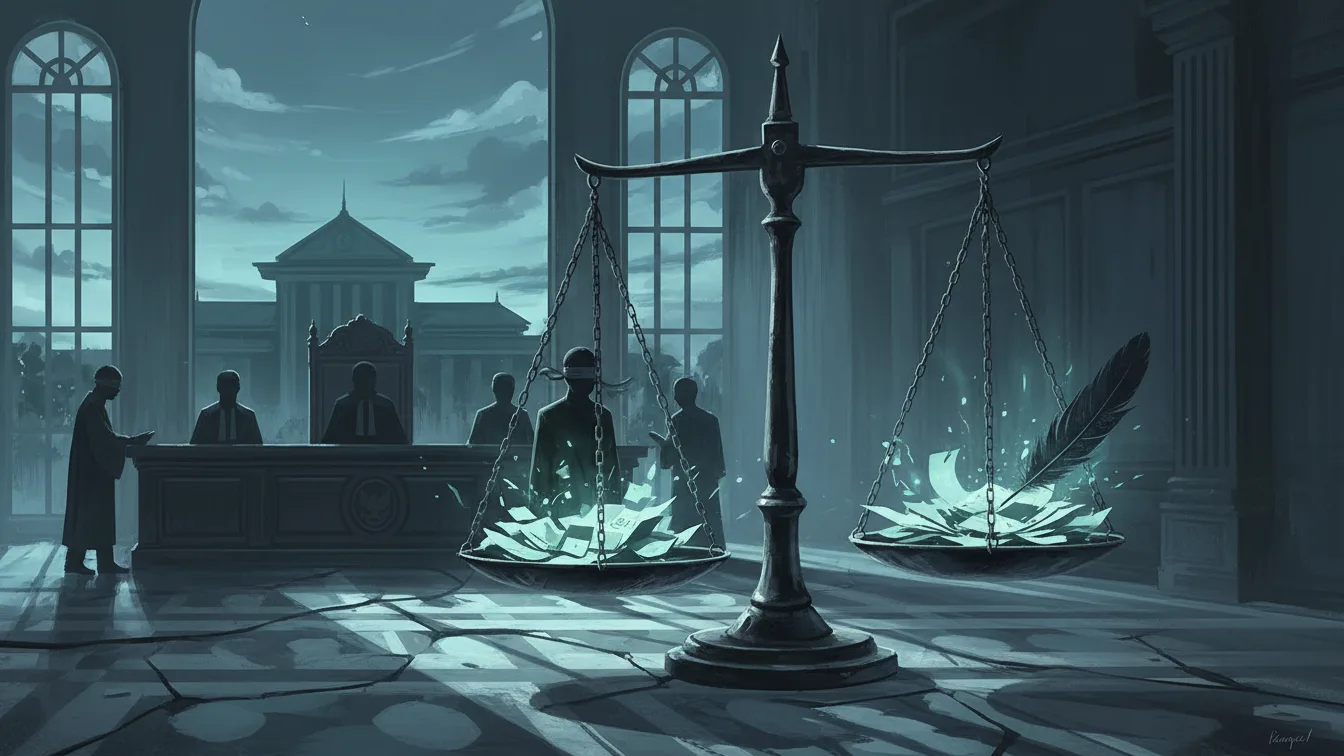
This development makes the issue no longer just about a viral video clip, but also about the boundaries between political criticism, democratic expression, and constitutional order. Therefore, Fahri's response and Saiful's clarification are equally important to read in order to see how this polemic is developing in the public sphere.















Comments
0Share your perspective politely, stay relevant, and focus on the article. Comments appear after moderation.
Join the discussion
Write a clear, polite response that stays on topic.
No comments yet. Be the first to discuss.
Comments will appear after moderation.