

The Urgency of the Asset Forfeiture Bill: The Missing Piece
The momentum of the Attorney General's Office and the Task Force for the Right to Collect State Receivables (PKH) success should be a "stepping stone" to urge the completion of stalled legislation: Draft Law on Asset Forfeiture.
Currently, law enforcement officials are still using the conventional criminal law regime which requires proof of the perpetrator's guilt (conviction-based) before assets can be confiscated. This takes a long time and is often unable to reach "unreasonable" assets if they are not directly related to the case being charged.


Indonesia needs a mechanism Asset Forfeiture Without Criminal Conviction (Non-Conviction Based Asset Forfeiture) through the Asset Forfeiture Law. With this law, the state can seize assets suspected of being the proceeds of crime if the owner cannot legally prove the origin of the assets (reverse burden of proof), without having to wait for a criminal prison sentence.
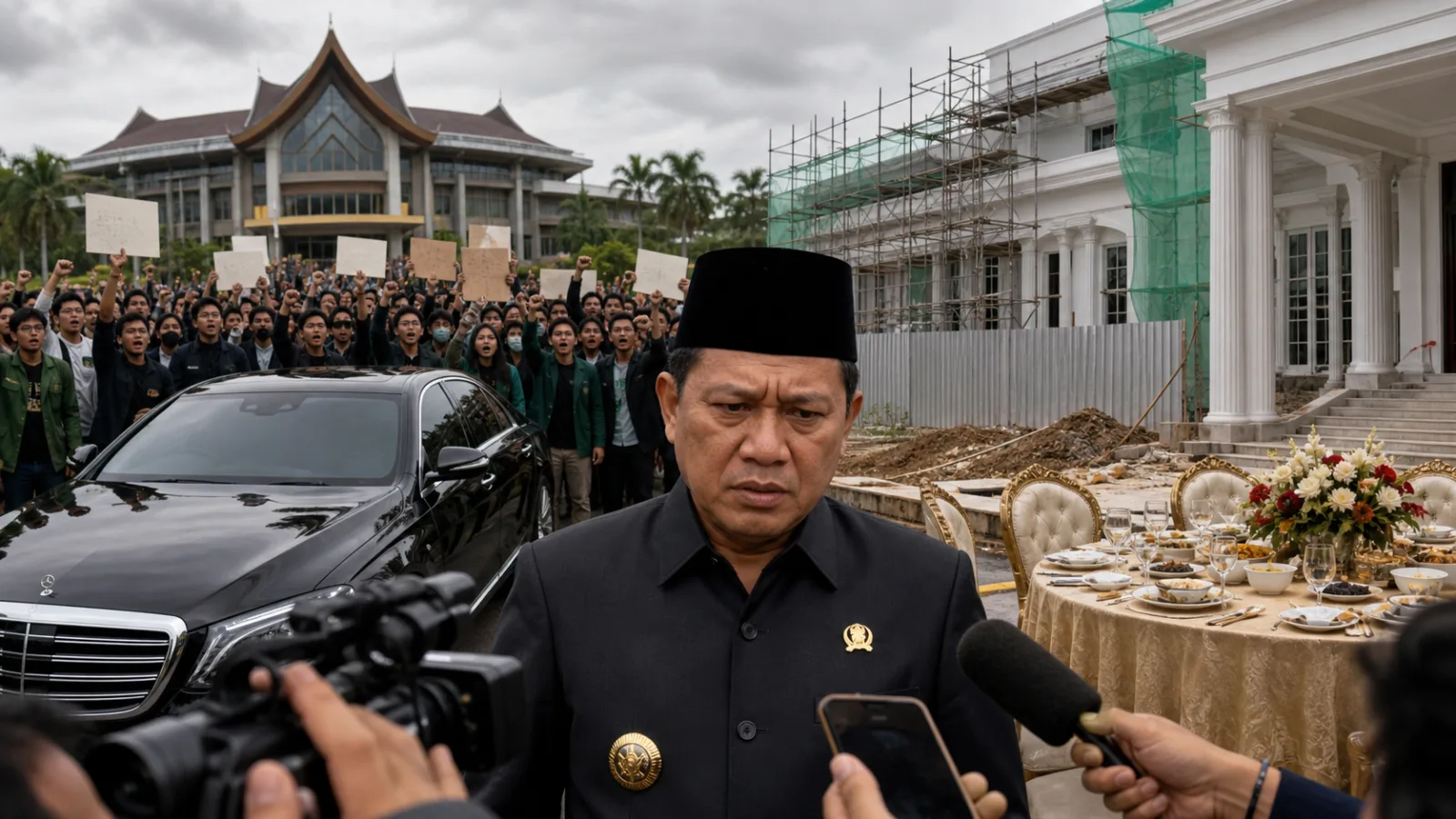
Without the ratification of this Bill, the government's efforts to pursue hundreds of trillions in targets by 2026 will continue to face technical and legal obstacles. The war against Serakahnomics requires more sophisticated legal weapons, not just the courage of officials and piles of money displayed in glass cases.



















Comments
0Share your perspective politely, stay relevant, and focus on the article. Comments appear after moderation.
Join the discussion
Write a clear, polite response that stays on topic.
No comments yet. Be the first to discuss.
Comments will appear after moderation.