

Legal Literacy - A contrasting scene was presented at the Round Building, the Attorney General's Office (Kejagung) on Wednesday (12/24/2025). Amidst the spotlight and tight security, stacks of Rp100,000 denomination cash were arranged to resemble a defensive fortress with dimensions of ten meters long and almost two meters high.
The total value of the money reached a fantastic figure: Rp6.625.294.190.469,74.


The presence of President Prabowo Subianto along with a line of economic and law enforcement ministers at the location confirmed a strong legal political message: the state is maneuvering from merely imprisoning corruptors to aggressively recovering economic losses (asset recovery). However, behind this visual ceremony, there are more substantial layers of legal issues regarding the management of confiscated assets, the effectiveness of law enforcement in the Natural Resources (SDA) sector, to the urgency of a legal umbrella for asset confiscation.
Anatomy of Assets: Pure Crime and Administrative Sanctions
For legal observers, it is important to dissect the source of the Rp6.6 trillion fund, because it comes from two different law enforcement regimes.
- Corruption Crime Regime: As big as Rp4,28 trillion is the result of the execution of the mega-corruption case of granting export facilities for crude palm oil (Crude Palm Oil/CPO) and sugar imports. This is a criminal realm where state losses are proven through the judicial process.
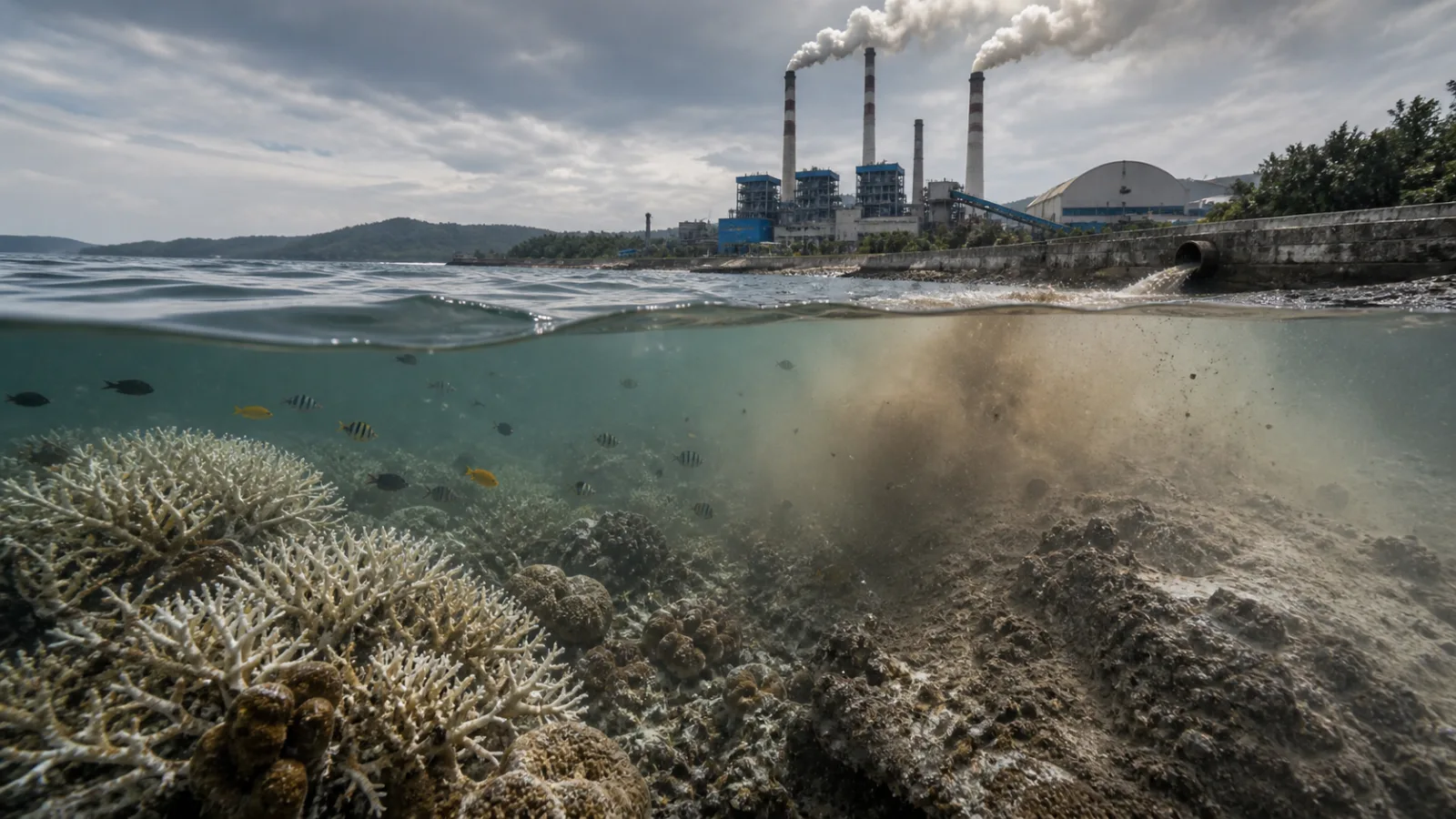
- Administrative Regime (Non-Penal): As big as Rp2,34 trillion comes from the collection of administrative fines. This fund was collected by the Forest Area Control Task Force (Satgas PKH) from 20 oil palm companies and one nickel mining company that operate illegally in forest areas.
Attorney General Sanitiar Burhanuddin highlighted that this administrative approach has the potential for much greater state revenue in the future. He projects that in 2026, the potential fines from oil palm governance violations could break through IDR 109.6 trillion, while from the mining sector it reached IDR 32.63 trillion.
In addition to liquid assets (cash), the state is also recovering immovable assets in the form of forest areas. Of the total 4 million hectares verified, the state has succeeded in regaining control over 896,969 hectares of land. This step is crucial to reaffirm state sovereignty over land that has been illegally controlled by corporations for years.
Against Serakahnomics and Fiscal Impact
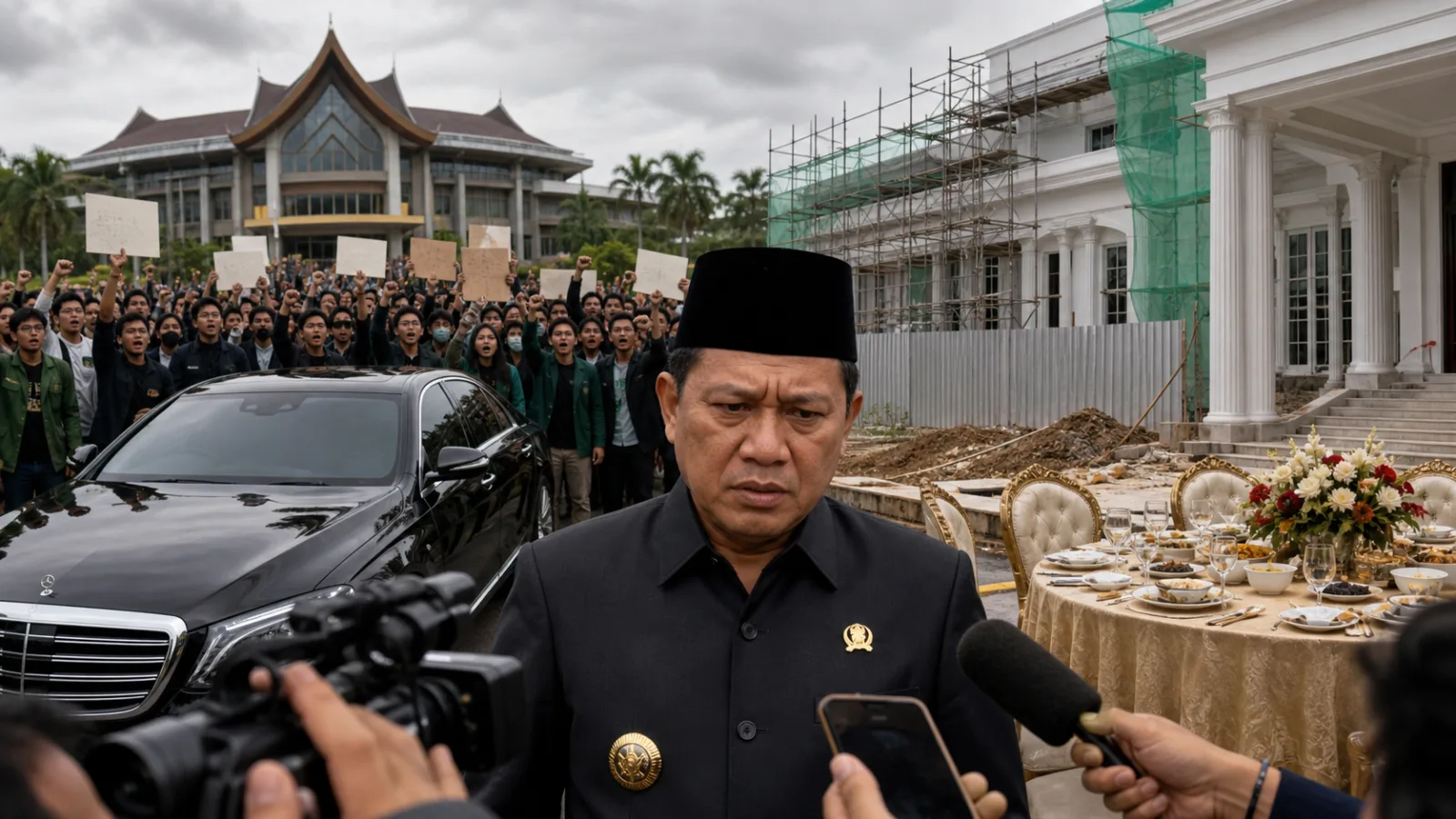
In his speech, President Prabowo introduced the terminology "Serakahnomics"This term is used to describe the predatory economic behavior of corporations or individuals who not only seek profit, but plunder the nation's wealth by abusing the rule of law and bribing the bureaucracy for decades.
"This is the end of the nation's losses. Those who adhere to 'serakahnomics' dare to insult the Unitary State of the Republic of Indonesia and assume that officials at every echelon can be bought," the President said firmly.
From a fiscal policy perspective, this asset recovery is not just a number on paper. Minister of Finance Purbaya Yudhi Sadewa explained that these confiscated funds will be classified as Non-Tax State Revenue (PNBP). This fresh fund is a strategic instrument to maintain the health of the State Budget (APBN).
The mechanism is that these funds can be used directly to cover the budget deficit if it approaches the 3 percent threshold, or stored as saving (state savings) for strategic spending in the following year, such as school construction and disaster infrastructure.
Academic Criticism: Between Transparency and Gimmick
Despite the outpouring of appreciation, the method of "showing off cash" sparked critical discourse among legal academics. Researcher at the Center for Anti-Corruption Studies (Pukat) of Gadjah Mada University, Zaenur Rohman, assessed that the substance of corruption eradication does not lie in the physical pile of money.
Withdrawing trillions of rupiah in cash from banks just to display it has high security risks and logistical inefficiencies. Zaenur emphasized that transparency in law enforcement performance in the modern era should be based on digital systems and data accountability, not physical visualization alone.
"The publication effort is important, but money in cash creates its own difficulties in the banking system. The public still understands the performance of the authorities if the transparency is clear, even if the money remains in the holding account," said Zaenur.
Furthermore, he reminded that the biggest challenge of asset recovery (asset recovery) is at the execution stage, not the ceremonial one. Often, court decisions are difficult to execute because the convict's assets have been transferred, laundered (money laundering), or hidden abroad.
The Urgency of the Asset Forfeiture Bill: The Missing Piece
The momentum of the Attorney General's Office and the Task Force for the Right to Collect State Receivables (PKH) success should be a "stepping stone" to urge the completion of stalled legislation: Draft Law on Asset Forfeiture.
Currently, law enforcement officials are still using the conventional criminal law regime which requires proof of the perpetrator's guilt (conviction-based) before assets can be confiscated. This takes a long time and is often unable to reach "unreasonable" assets if they are not directly related to the case being charged.
Indonesia needs a mechanism Asset Forfeiture Without Criminal Conviction (Non-Conviction Based Asset Forfeiture) through the Asset Forfeiture Law. With this law, the state can seize assets suspected of being the proceeds of crime if the owner cannot legally prove the origin of the assets (reverse burden of proof), without having to wait for a criminal prison sentence.
Without the ratification of this Bill, the government's efforts to pursue hundreds of trillions in targets by 2026 will continue to face technical and legal obstacles. The war against Serakahnomics requires more sophisticated legal weapons, not just the courage of officials and piles of money displayed in glass cases.

















Comments
0Share your perspective politely, stay relevant, and focus on the article. Comments appear after moderation.
Join the discussion
Write a clear, polite response that stays on topic.
No comments yet. Be the first to discuss.
Comments will appear after moderation.