

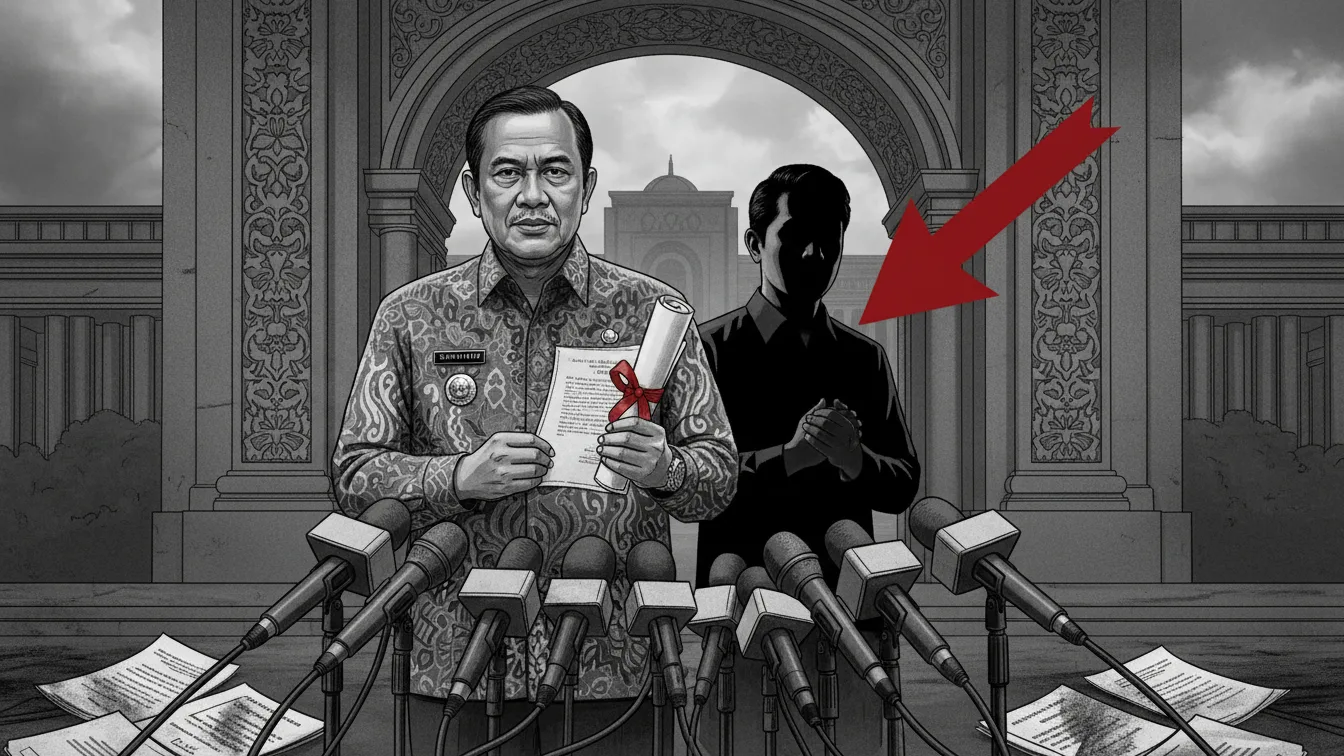
JAKARTA, LITERASIHUKUM.COM — The Corruption Eradication Commission (KPK) is accelerating the investigation into the alleged criminal act of corruption in the transfer of Hajj quotas. Investigators from the anti-graft agency have scheduled the examination of five directors of umrah and special Hajj travel bureau companies. This summons is part of the development of the case involving the name of the former Minister of Religious Affairs, Yaqut Cholil Qoumas.
The examination of the five top leaders of the travel agents is focused on gathering information regarding the mechanism for distributing additional Hajj quotas and the alleged flow of kickback funds to officials at the Ministry of Religious Affairs. The witnesses are scheduled to undergo examination at the KPK's Merah Putih Building, South Jakarta, on Thursday (16/4/2026).


The KPK Spokesperson confirmed that the summons of these private parties is crucial to mapping out the construction of alleged bribery and gratification. Investigators are investigating whether the determination of the special Hajj quota managed by the travel consortium was carried out through transparent procedures or was instead colored by under-the-table transactions to benefit certain corporations.
Violation of the Principle of Justice and Hajj Implementation Regulations
This case originated from the polemic of the unilateral transfer of regular Hajj quotas to special Hajj quotas in the previous Hajj season. The policy taken during Yaqut's leadership is strongly suspected of violating Law Number 8 of 2019 concerning the Implementation of Hajj and Umrah, as well as official agreements that have been approved together with Commission VIII of the House of Representatives (DPR) RI.
In terms of state administrative law and public policy, the transfer of quotas without legislative approval not only exceeds authority (detournement de pouvoir), but also injures the principle of justice for hundreds of thousands of regular Hajj pilgrims who have been on the waiting list for years. The KPK (Corruption Eradication Commission) suspects the existence of mens rea (evil intent) behind the sudden policy, where the cost difference from the special Hajj quota is suspected of flowing into personal profits for a number of state administrators.
In the legal construction of corruption, if the transactional element between travel bureau parties and officials of the Ministry of Religious Affairs is proven, the KPK has the opportunity to apply layered charges. The parties involved can be charged with bribery as regulated in Article 5 paragraph (1) or the crime of receiving gratuities and extortion in office in accordance with Article 12 letter a, letter b, or letter e of the Law on the Eradication of Corruption.
Now, the testimony of the five travel bosses will become a bright spot for investigators to completely dismantle the chain of command of illicit funds in this national Hajj quota management scandal.[1]



















Comments
0Share your perspective politely, stay relevant, and focus on the article. Comments appear after moderation.
Join the discussion
Write a clear, polite response that stays on topic.
No comments yet. Be the first to discuss.
Comments will appear after moderation.