

Elected Amidst War and Security Threats
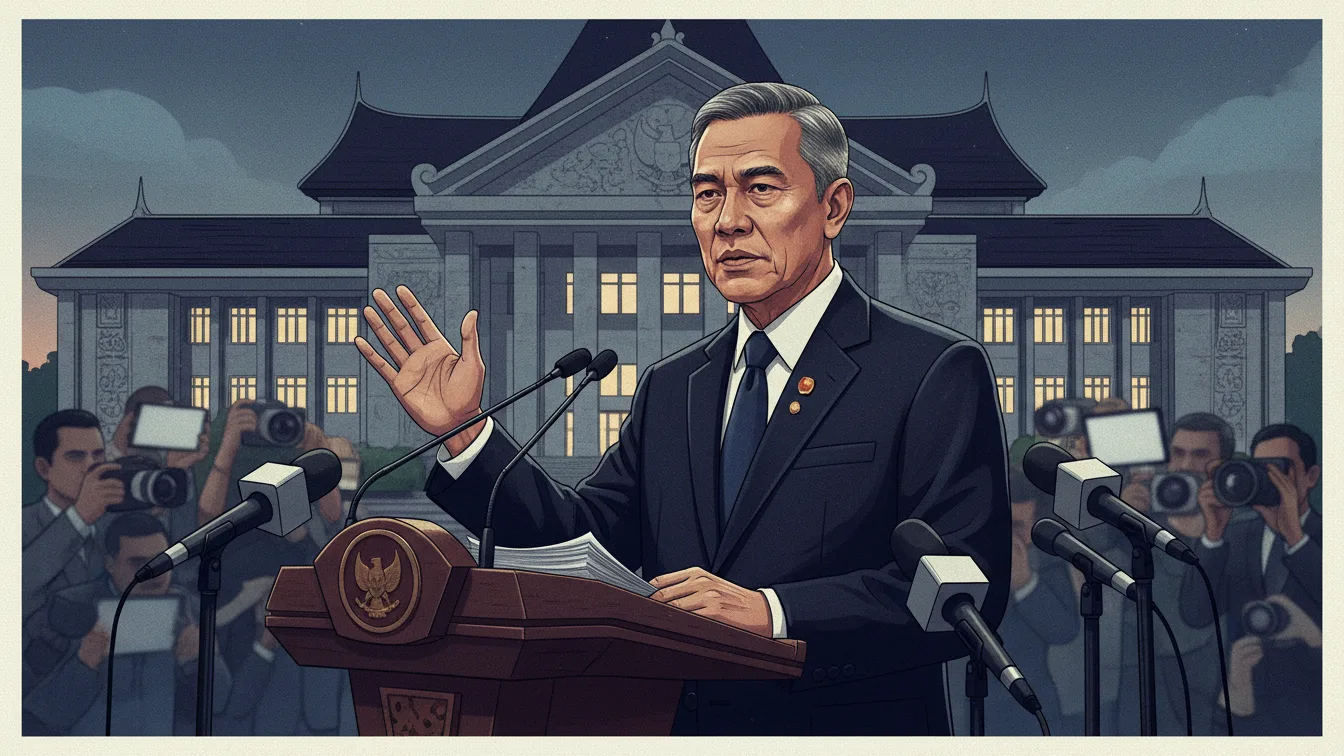
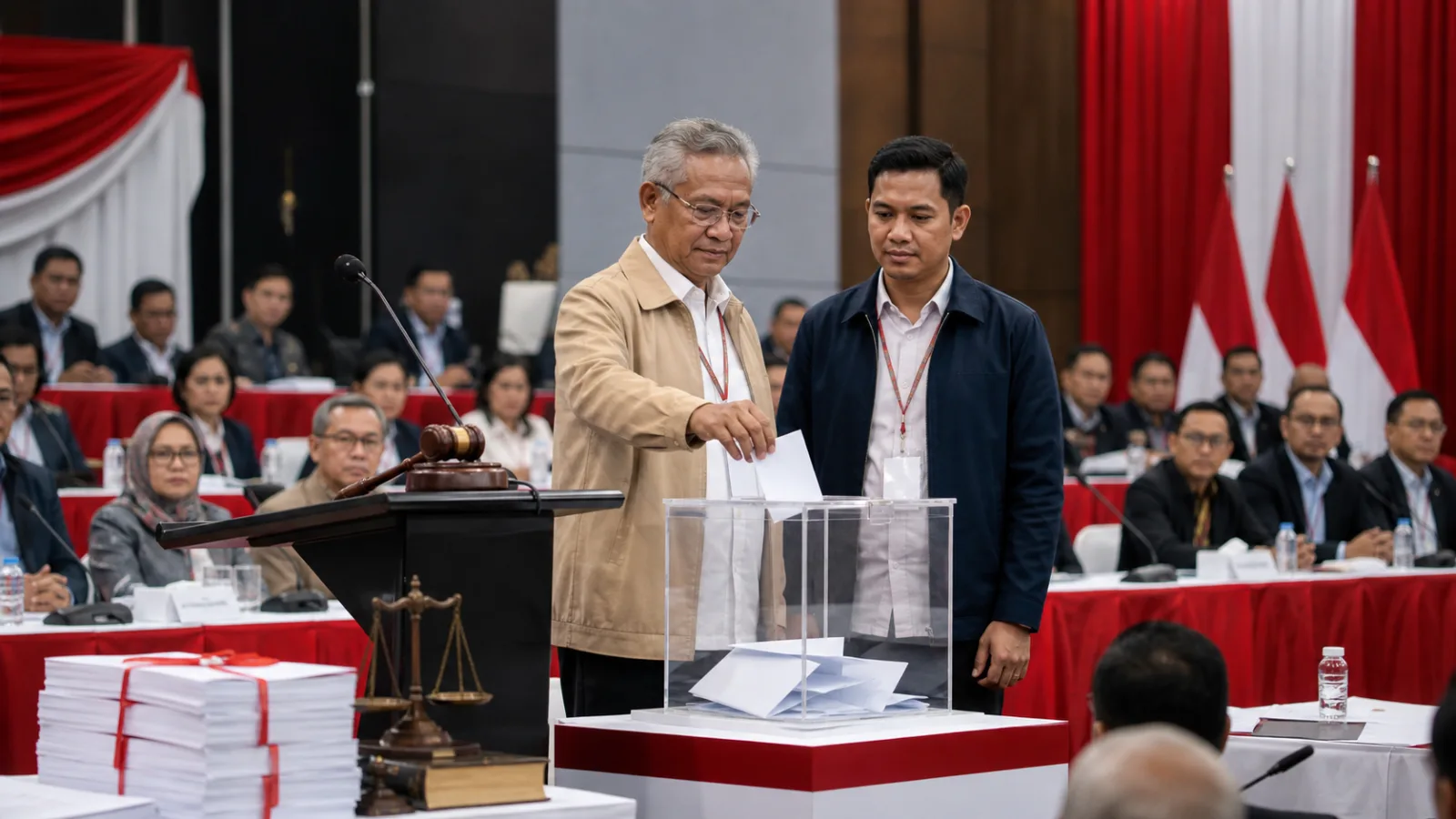
The election of Iran's new supreme leader took place in a highly unusual situation, namely amidst a sharp escalation of regional war following the death of Ali Khamenei on February 28, 2026Reuters reported that the succession process took place under high security pressure, including procedural debates and concerns over the safety of members of the Assembly of Experts. In that context, the decision to postpone the announcement of the name was likely not only administrative, but also related to political and physical security considerations.
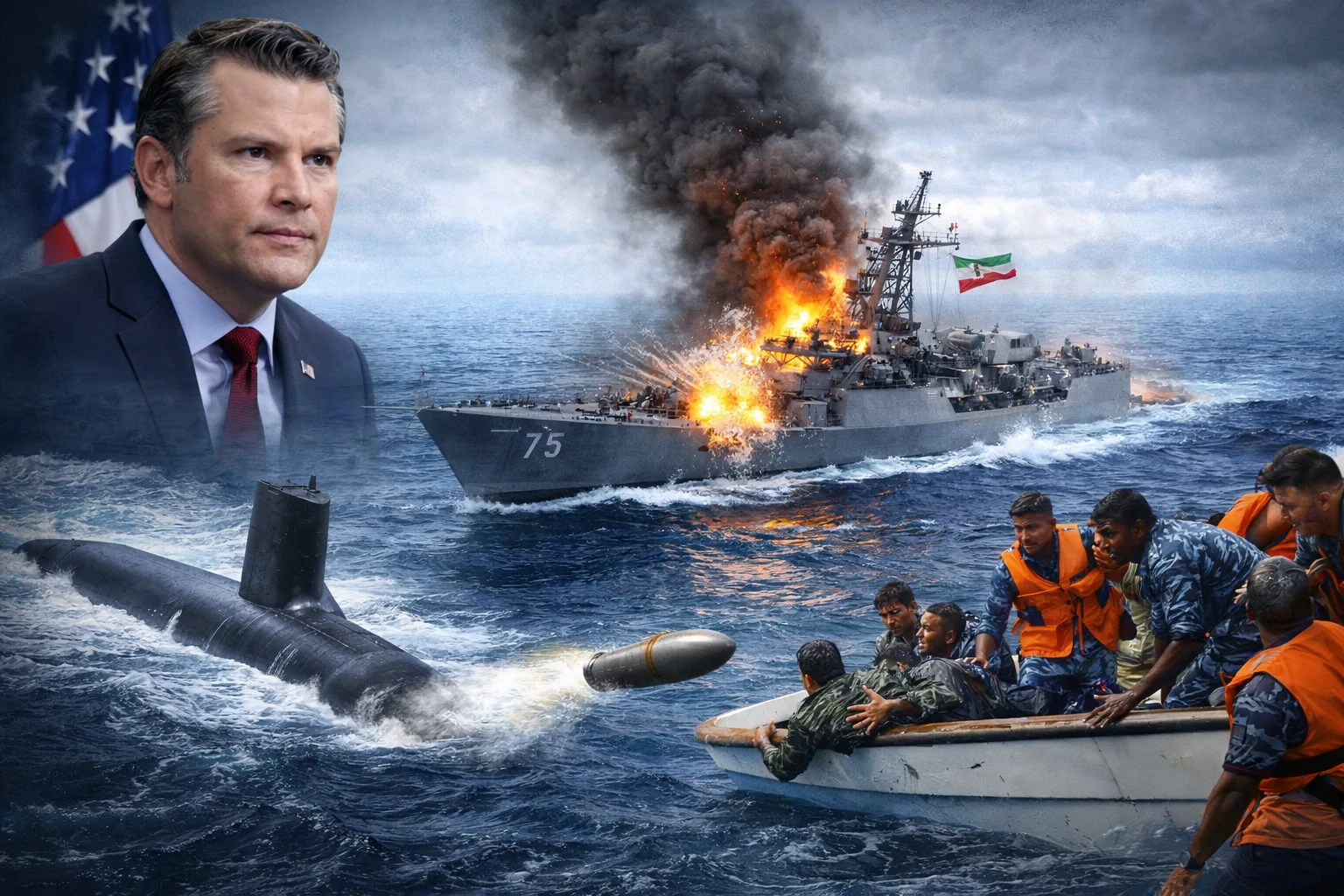
Several reports also mentioned threats from Israel against anyone who would replace Khamenei, so the election atmosphere took place in the shadow of intimidation and escalating conflict. Therefore, this succession process is not just a change of top figures, but also part of Iran's efforts to maintain the continuity of the power structure amidst the escalating military and geopolitical crisis.


In terms of constitutional law, the position of Supreme Leader of Iran is the most influential position in the Islamic Republic of Iran's system. This position not only has religious authority, but also becomes the final determinant in the country's strategic affairs, including military, foreign policy, and the direction of national politics. Therefore, whoever is finally announced as Khamenei's successor will immediately become a central figure in determining Iran's response to the ongoing war and the direction of domestic political stability going forward.
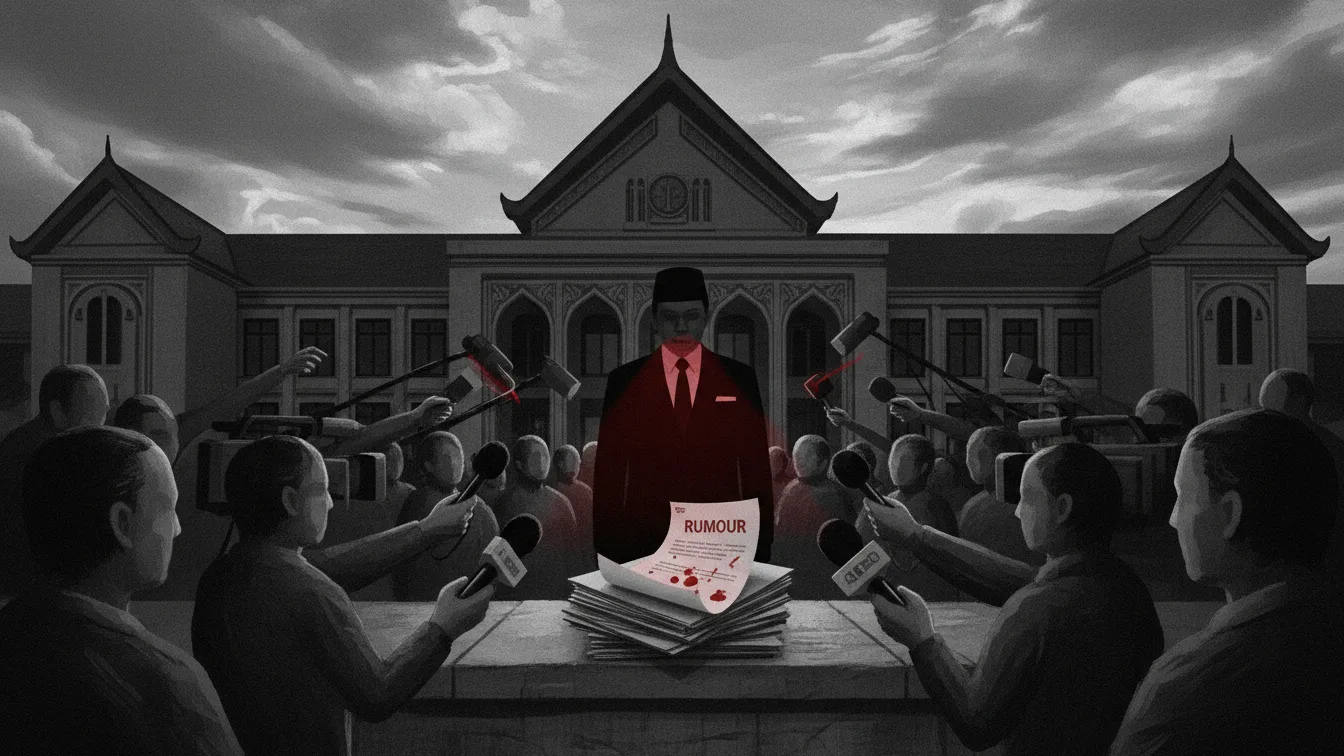
For now, the most important point is: Iran claims the election process is complete, but the name of the new supreme leader has not been officially revealed to the public. Until a formal announcement is made, Khamenei's replacement's identity should still be treated as uncertain, although Mojtaba Khamenei it remains the most frequently mentioned name in various reports.















Comments
0Share your perspective politely, stay relevant, and focus on the article. Comments appear after moderation.
Join the discussion
Write a clear, polite response that stays on topic.
No comments yet. Be the first to discuss.
Comments will appear after moderation.