

JAKARTA, LITERASIHUKUM.COM — Law enforcement measures in the mining sector are once again shaking state institutions. The Attorney General's Office of the Republic of Indonesia has officially named the Chairman of the Ombudsman of the Republic of Indonesia for the 2026–2031 period, Hery Susanto, as a suspect in the alleged corruption case of nickel mining business governance. Ironically, this arrest occurred only six days after he took the oath of office before the President.
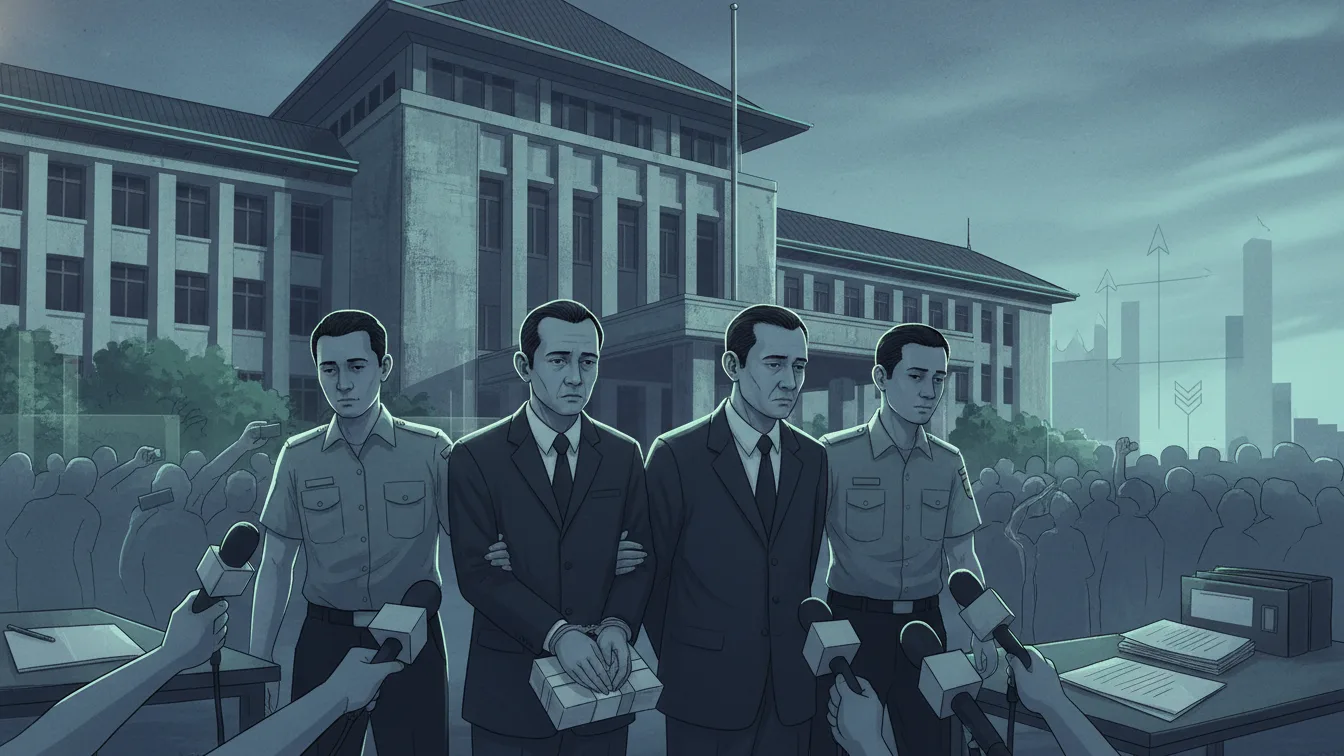
The investigation team from the Directorate of Investigation of the Junior Attorney General for Special Crimes (Jampidsus) detained Hery after a series of examinations at the Kejagung's Bundar Building, Jakarta, on Thursday (16/4/2026). The Head of the Legal Information Center of the Attorney General's Office, Anang Supriatna, confirmed that the determination of the suspect status was carried out after the investigators had sufficient preliminary evidence regarding his involvement.


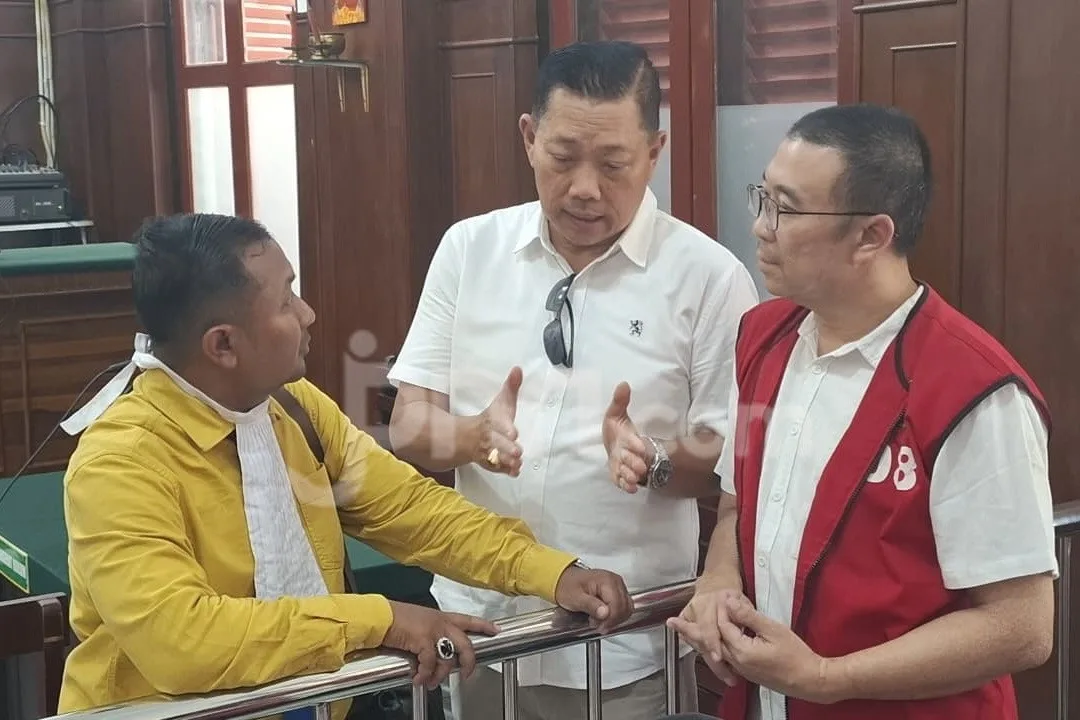
Based on gathered information, Hery is suspected of receiving gratuities worth IDR 1.5 billion. The flow of bribery funds is strongly suspected to be related to the manipulation of Non-Tax State Revenue (PNBP) in the vortex of corruption in nickel mine governance in the Sulawesi region. After being examined, Hery was immediately escorted to a detention vehicle under tight security and was wearing a distinctive pink Attorney General's Office detainee vest.
A Severe Blow to the Integrity of Public Oversight
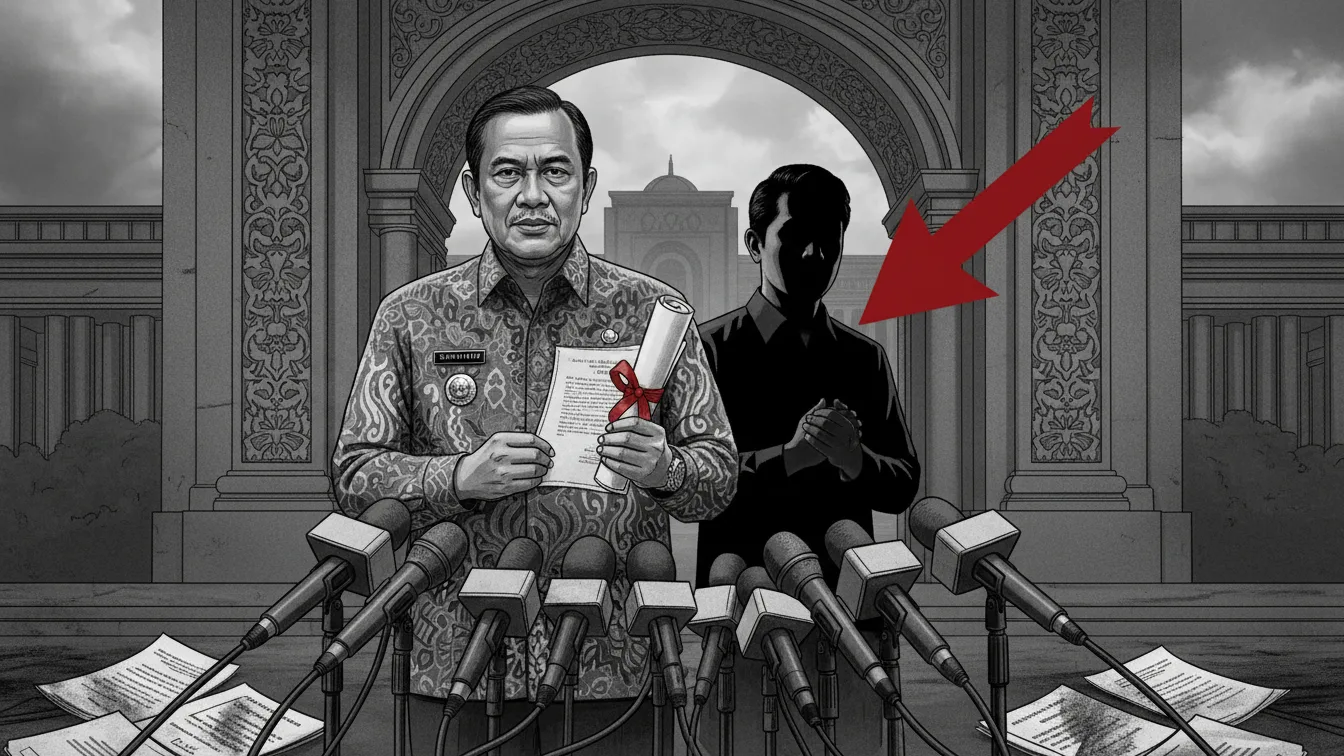
The arrest of the top leader of the Indonesian Ombudsman is a severe blow to the dignity of state institutions. Hery Susanto had just been inaugurated by President Prabowo Subianto at the State Palace on Friday (10/4/2026), after going through a selection process in parliament. The case ensnaring the head of the institution, who is actually in charge of overseeing maladministration and maintaining the integrity of public services, immediately triggered a public trust crisis.
From the perspective of corruption criminal law, the practice of accepting bribes by state officials is a form of betrayal of office. If proven to have received fee to influence the governance of licensing or supervision of the mining sector, the suspect is potentially subject to multiple articles. The legal construction commonly applied in this type of modus is the crime of bribery or extortion in office as explicitly regulated in Article 12 letter a, letter b, or Article 11 of the Law on the Eradication of Corruption.
Until this news was released, investigators from the Jampidsus are still investigating the case to explore the possibility of other parties, both from elements of private corporations and bureaucratic officials, who are also involved in the nickel mining mafia network.[1]
















Comments
0Share your perspective politely, stay relevant, and focus on the article. Comments appear after moderation.
Join the discussion
Write a clear, polite response that stays on topic.
No comments yet. Be the first to discuss.
Comments will appear after moderation.