
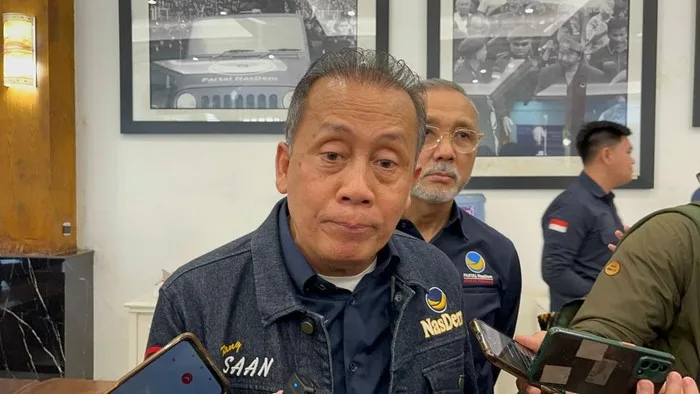
JAKARTA, LITERASIHUKUM.COM — The Deputy Speaker of the House of Representatives of the Republic of Indonesia voiced deep concern over the series of arrests (Operasi Tangkap Tangan/OTT) conducted by the Corruption Eradication Commission (KPK) against six regional heads since the beginning of 2026. The high frequency of arrests of local executive leaders in the last four months is considered a red alarm for the regional governance system in Indonesia.
The parliamentary leader emphasized that the phenomenon of several regents and mayors being caught in the anti-corruption agency's silent operations indicates the fragility of corruption prevention instruments at the regional level. Recurring corrupt practices generally stem from conventional modes, such as abuse of authority in the procurement of goods and services, indications of buying and selling structural positions, to receiving gratuities related to investment permits. This condition is considered very concerning considering that regional heads actually carry the people's mandate to manage the budget transparently and accountably.


In terms of constitutional law and government administration, law enforcement against regional heads has a direct impact on the instability of the bureaucratic machinery. Referring to Law Number 23 of 2014 concerning Regional Government, the detention of a regional leader requires the Ministry of Home Affairs to immediately appoint an acting official (Plt) to avoid stagnation of public services and ratification of strategic policies. This series of arrests indirectly disrupts regional development targets that have been planned in the Regional Budget (APBD).
From the perspective of corruption criminal law, the prevalence of regional heads ensnared in the law reflects the continued strong grip of high-cost politics (high-cost politics) which often becomes the embryo of malicious intent (mens rea) acts of corruption to recover campaign funds. State officials proven to have abused their power are potentially subject to multiple articles, related to bribery and extortion in office as explicitly regulated in the Law on the Eradication of Corruption.
Parliament hopes that this series of firm actions by the KPK can serve as a strong warning to all state officials. Going forward, the DPR encourages a thorough evaluation not only of the effectiveness of internal supervision of local governments (Inspectorate), but also demands the commitment of political parties to improve the recruitment system and cadre formation of prospective regional leaders in order to produce figures who are truly of integrity.






















Comments
0Share your perspective politely, stay relevant, and focus on the article. Comments appear after moderation.
Join the discussion
Write a clear, polite response that stays on topic.
No comments yet. Be the first to discuss.
Comments will appear after moderation.