

Bribery Case and Arrangement of Panels of Judges
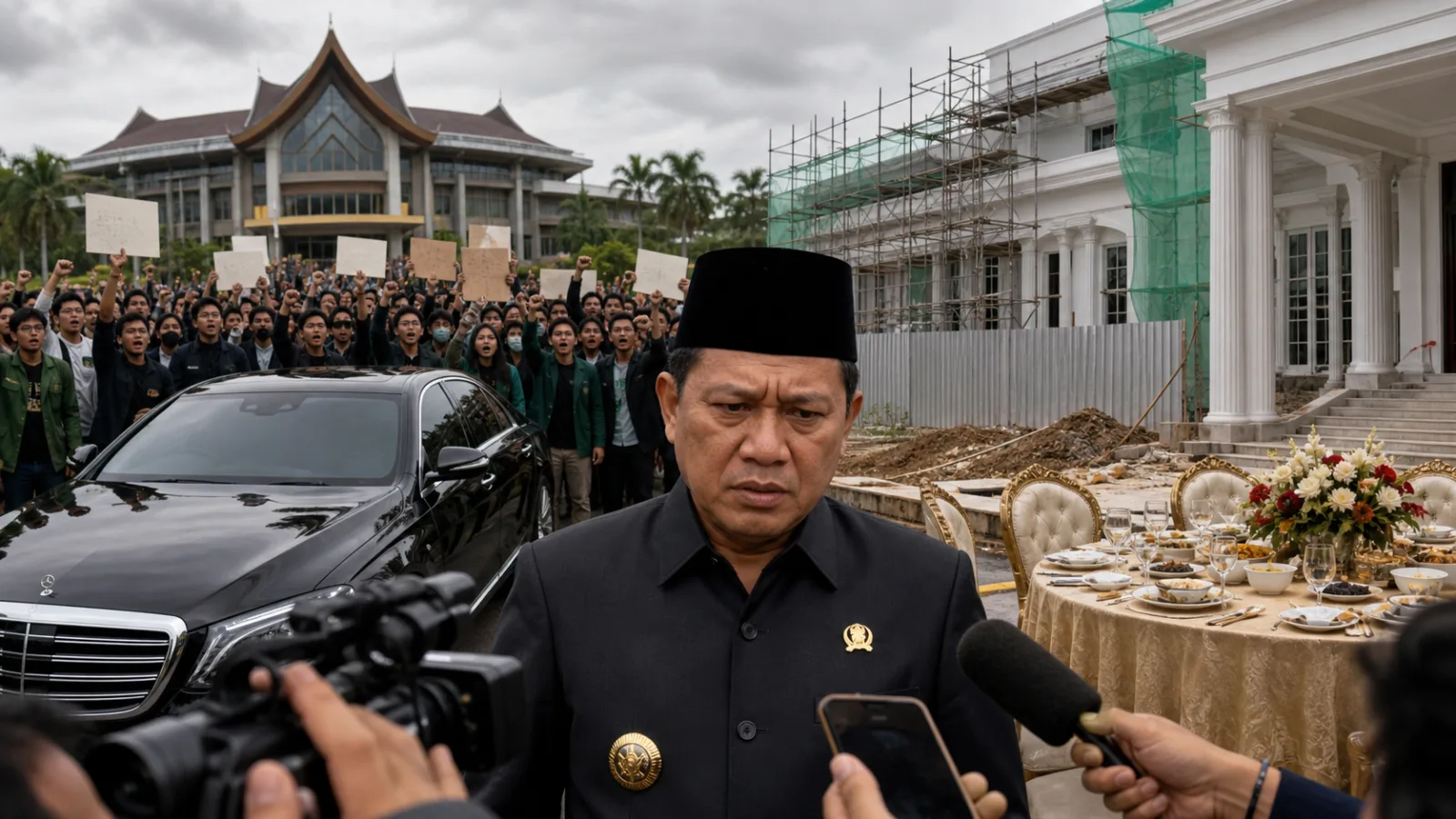
The However, the system has not been implemented in the first-level or appellate courts. According to Book II of the Technical Guidelines for General Civil and Special Civil Procedural Administration and Technology, the appointment of panels of judges at the district court level is still the authority of the head of the court or delegated to the deputy head.system became important after the Attorney General's Office named the former Head of the Surabaya District Court, Rudi Suparmono, as a suspect in a case of alleged bribery and/or gratification related to Ronald Tannur's acquittal. He is suspected of being involved in arranging the composition of the panel of judges who handled the case.
Rudi was arrested on January 14, 2024, and is currently being detained at the Salemba Detention Center, Jakarta South District Attorney Branch. According to the Director of Investigation of the Junior Attorney General for Special Crimes, Abdul Qohar, Rudi received bribes in the form of money amounting to 20,000 and 43,000 Singapore dollars from the defendant through a member judge.
This case also involves a former MA official, Zarof Ricar (ZR), who acted as a liaison between the defendant's lawyer, Lisa Rahmat (LR), and Rudi. Meanwhile, LR is now a defendant, while the panel of judges who tried the case, namely Erintuah Damanik (ED), Heru Hanindyo (HH), and Mangapul (M), are being tried at the Jakarta Central Corruption Court. However, the system has not been implemented in the first-level or appellate courts. According to Book II of the Technical Guidelines for General Civil and Special Civil Procedural Administration and Technology, the appointment of panels of judges at the district court level is still the authority of the head of the court or delegated to the deputy head. Efforts to Increase Transparency and Accountability


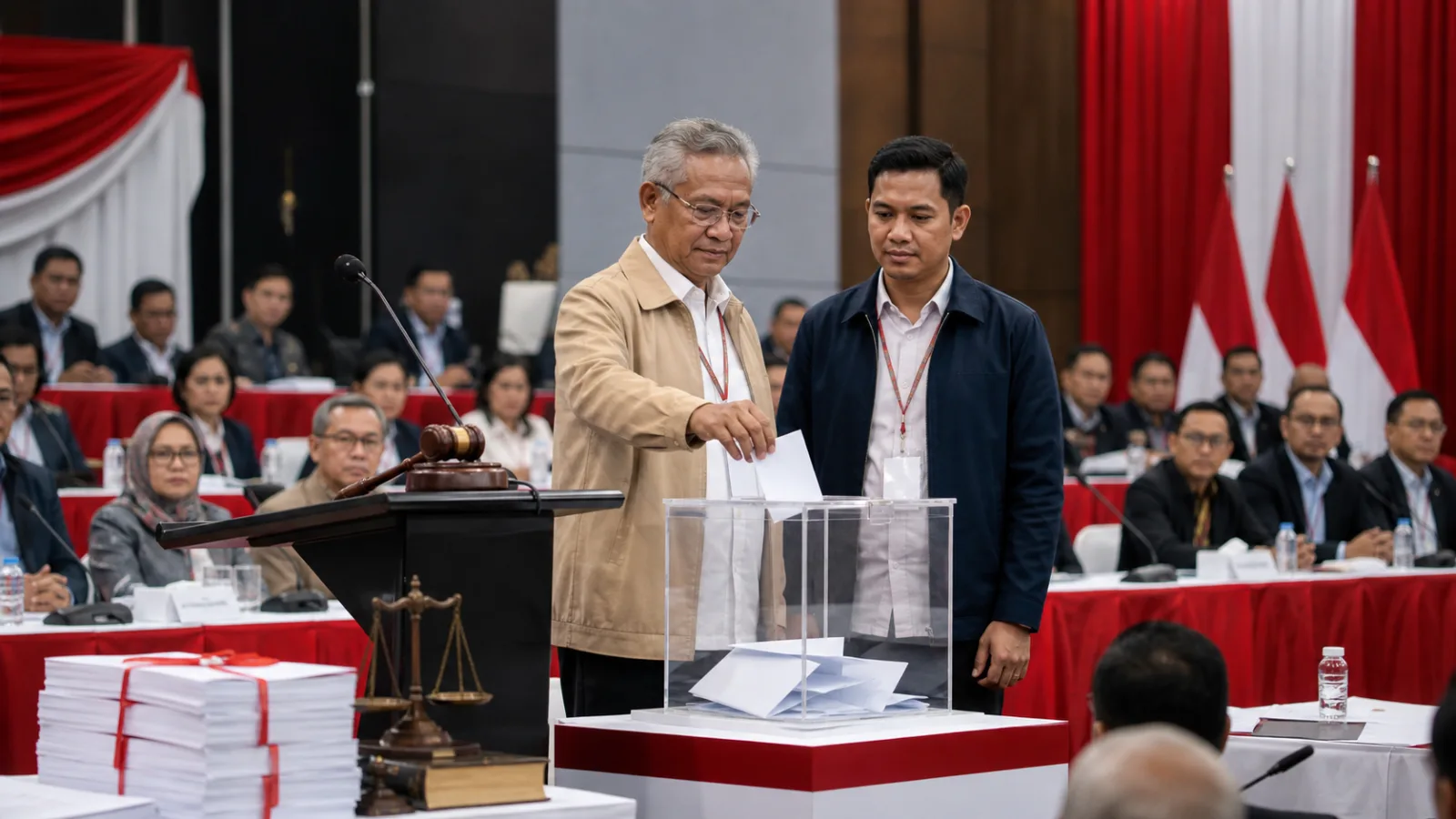
The application of AI-based systems is expected to prevent corruption and bribery practices in the arrangement of panels of judges. With
, the process of appointing judges becomes more objective, reduces the potential for intervention, and strengthens public trust in judicial institutions.





















Comments
0Share your perspective politely, stay relevant, and focus on the article. Comments appear after moderation.
Join the discussion
Write a clear, polite response that stays on topic.
No comments yet. Be the first to discuss.
Comments will appear after moderation.