

The Supreme Court is rushing PERMA to ensure uniform application
On the other hand, the Supreme Court stated that it is accelerating the preparation of technical guidelines in the form of a Supreme Court Regulation (PERMA) for the implementation of the plea bargain/guilty plea mechanism, through the assignment of a technical team to a working group (Pokja).[8]
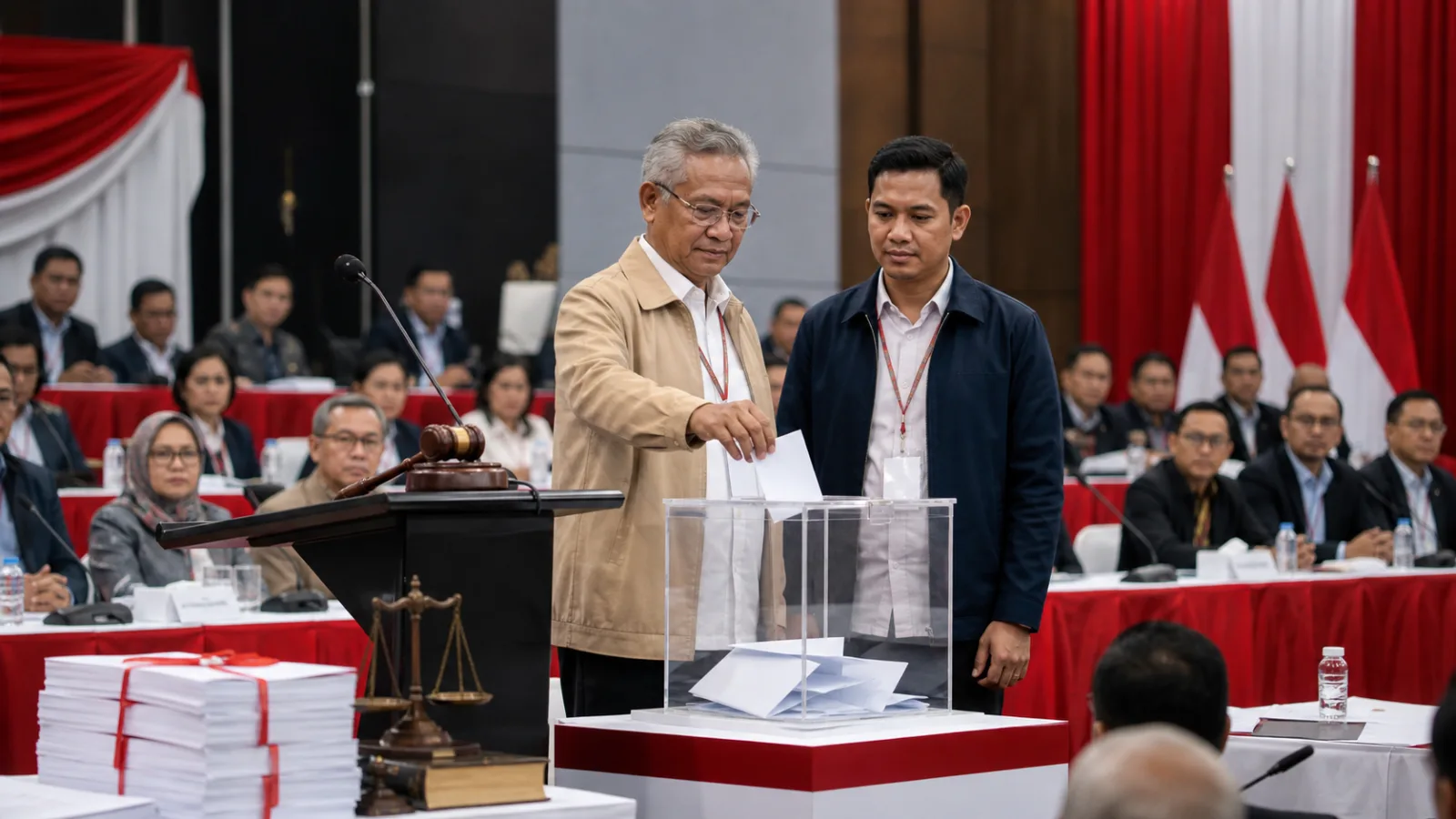
The Supreme Court Spokesperson, Yanto, explained that the new Criminal Procedure Code places the judge as the “gate” of verification: the judge is obliged to ensure that the guilty plea is made voluntarily and without coercion. The PERMA plan will detail the judge's assessment parameters for accepting or rejecting a guilty plea to prevent abuse.[9]


This “voluntary test” point is crucial because the guilty plea mechanism can speed up the process only if the integrity of the procedure is maintained. If there is an indication that the confession was given due to pressure, the judge can reject the request and direct the case to take the usual procedure route.[10]
Meanwhile, Minister of Law Supratman Andi Agtas also emphasized that plea bargaining in the 2025 Criminal Procedure Code must not result in resolving cases outside the legal process, because it still requires a court decision. He said this mechanism is directed at making the justice system more efficient, but remains under the control of the court.[11]
With a combination of regulations in the 2025 Criminal Procedure Code and the planned PERMA as technical guidelines, the issue that is now of concern is the readiness of law enforcement officials and the courts to ensure that two goals go hand in hand: efficiency as well as a guarantee of a fair trial, especially in aspects of legal assistance, voluntariness (without coercion), as well as transparency of the basis of the agreement and minimum proof.















Comments
0Share your perspective politely, stay relevant, and focus on the article. Comments appear after moderation.
Join the discussion
Write a clear, polite response that stays on topic.
No comments yet. Be the first to discuss.
Comments will appear after moderation.