Jakarta, LiterasiHukum.com – The General Elections Commission (
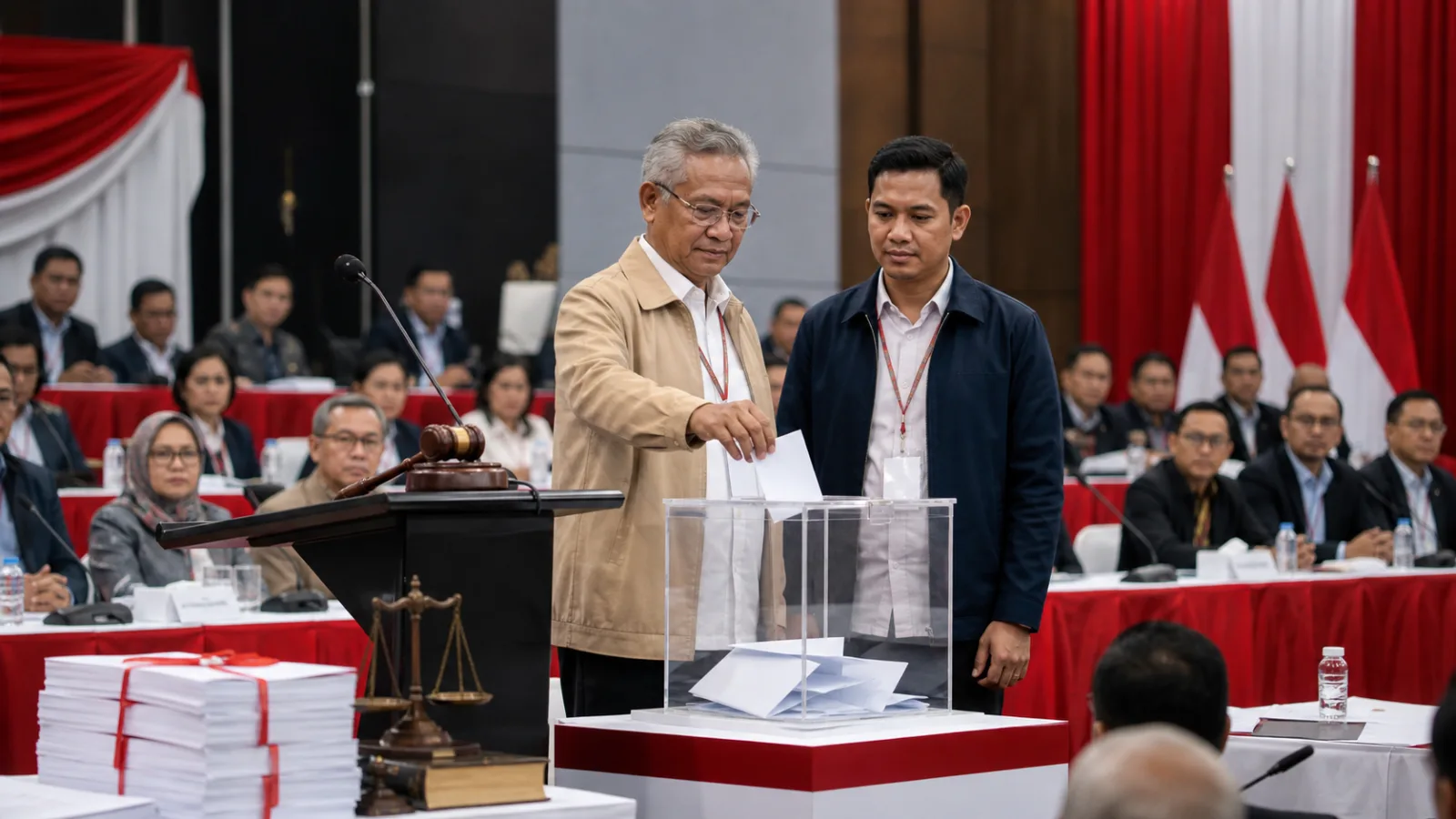
KPU) is once again in the public spotlight after issuing KPU Decree Number 731 of 2025, signed by KPU Chairman Mochammad Afifuddin on August 21, 2025. This controversial decree stipulates
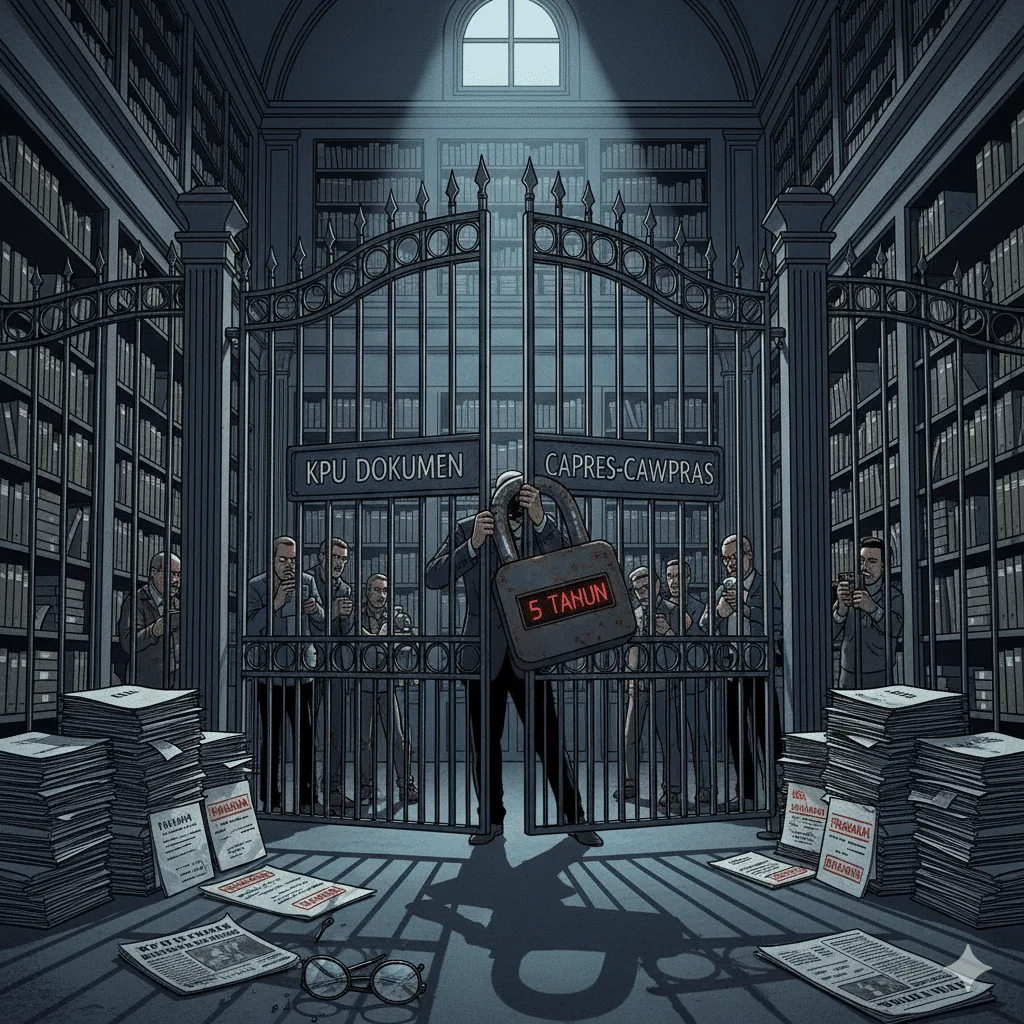
16 types of document requirements for presidential and vice-presidential candidates (capres-cawapres) as excluded public information or are confidential for the next five years.
This policy effectively closes public access to a number of crucial documents such as photocopies of ID cards, birth certificates, police records, wealth reports (LHKPN), proof of graduation (diplomas), curriculum vitae, short profiles, candidate track records, statements of never having been convicted, to letters of resignation from government agencies/BUMN/BUMD.
This closure of access raises serious questions regarding the legal basis of the KPU's decision and its impact on the principles of transparency and accountability in the implementation of elections in Indonesia.
Legal Basis and KPU Arguments
The KPU explained that this decision refers to Article 27 paragraph (1) of KPU Regulation Number 22 of 2023 concerning the Management and Service of Public Information (which has been amended by KPU Regulation Number 11 of 2024), as well as Article 2 paragraph (4) of Law Number 14 of 2008 concerning Public Information Disclosure (UU KIP).
In the included consequence test, the KPU argued that opening the capres-cawapres requirements documents has the potential to reveal personal information that could be misused. Therefore, the KPU considers this information confidential, can have negative consequences if opened, and better protects greater interests if closed.
However, the KPU provides two mechanisms so that the document can be opened:
- There is written approval from the party concerned (capres-cawapres).
- If the document is directly related to a public position that someone is currently or will occupy, with strong legal reasons.
Setback in Transparency and the Principle of Honest and Fair Elections
A number of parties consider this policy a serious setback in efforts to create transparent and accountable elections. The excluded documents have so far been important instruments for the public to carry out supervision, test the integrity, track record and authenticity of the data of prospective state leaders.
With this access closed for up to five years, the space for public participation in supervising and verifying candidates is very limited. In fact, Article 22E of the 1945 Constitution explicitly states that elections must be held "directly, generally, freely, secretly, honestly and fairly" – which implicitly requires adequate information disclosure.
This KPU decision is feared to reduce public trust in the election process, and has the potential to open loopholes for doubts to arise regarding the credibility of the candidates competing.
News source: This article is the result of paraphrasing and analysis of news reported by Tempo.co on September 16, 2025.












Comments
0Share your perspective politely, stay relevant, and focus on the article. Comments appear after moderation.
Join the discussion
Write a clear, polite response that stays on topic.
No comments yet. Be the first to discuss.
Comments will appear after moderation.