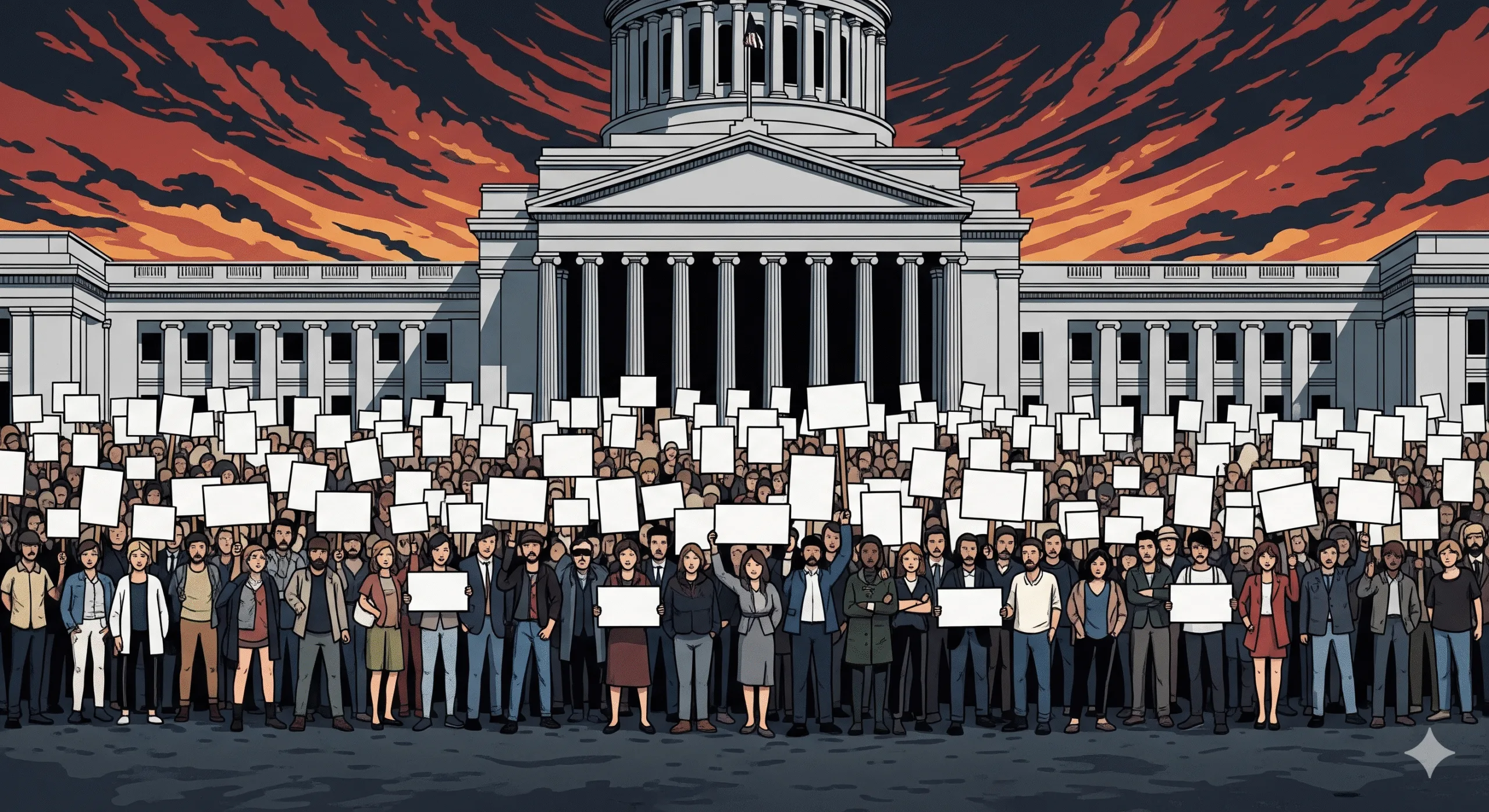
Jakarta, LiterasiHukum.com – The massive wave of demonstrations that gave rise to the "17+8" demands has been responded to by the government and the DPR (People's Representative Council) with a number of initial steps, such as sanctions for officials, freezing of council allowances, and cabinet reshuffles. However, the public considers these steps to only scratch the surface of the fundamental problems.
Although the government, through meetings with student representatives at the State Palace, claims to have accepted and is ready to follow up on aspirations, the momentum of demands is now at a crossroads. The student movement is trying to keep the fire of the struggle burning, while the political elite are faced with the reality of the complexity of implementing demands that touch various state institutions.
Legally and politically, fulfilling the "17+8" demands is not a simple matter. These demands involve structural reforms to vital institutions such as the President, DPR,
TNI (Indonesian
National Armed Forces), and
Polri (Indonesian National Police), the implementation of which requires complex cross-sectoral coordination and strong political will.
Structural and Political Obstacles
Some demands have a very high level of difficulty and have the potential to conflict with existing government agendas:
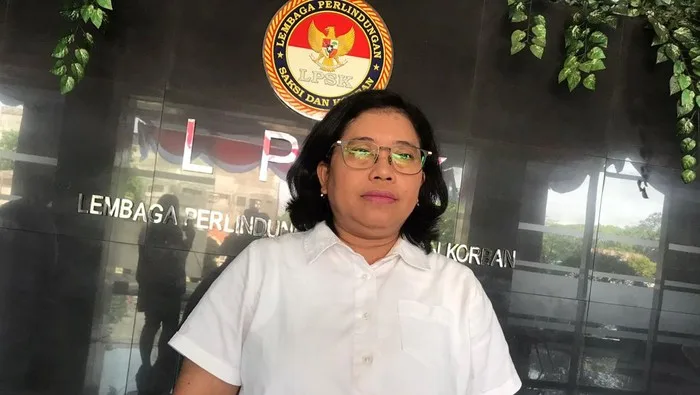
- Independent Investigation Team: The formation of an independent team to investigate violence by officials is an integrity test for the National Police, which is in a difficult position as law enforcers and the party being highlighted.
- TNI Repositioning: The demand to withdraw the TNI from the civilian sphere and "return to the barracks" seems to go against President Prabowo's policy which is actually strengthening the military posture through the formation of new units and modernization of defense equipment.
- DPR Reform: This is the most complicated demand. Efforts to fundamentally reform the DPR will directly face the "iceberg" of systemic problems:
-
- Political Party Domination: DPR members' loyalty is more often directed to party interests than constituents. Reforms that disturb party hegemony will receive strong resistance, especially since the financial structure of political parties largely depends on membership fees in parliament.
- Legislative Conflict of Interest: The DPR will be both the subject and object of reform. Every change, for example the revision of the MD3 Law, must go through a legislative process where the reformed institution actually has the power to determine the outcome.
- Coalition Stability: Governments supported by large coalitions tend to prioritize political stability. Pushing a DPR reform agenda that risks causing internal coalition friction will most likely be avoided.
The "17+8" movement has succeeded in bringing crucial issues to the surface. However, its long-term success will depend heavily on the ability of civil society movements to transform emotional momentum into consistent and strategic public pressure. Without continuous supervision, reform demands run a great risk of becoming just a discourse that is difficult to realize.
News source: This article is the result of paraphrasing and in-depth analysis of an opinion article published by Kompas.id on September 14, 2025.












Comments
0Share your perspective politely, stay relevant, and focus on the article. Comments appear after moderation.
Join the discussion
Write a clear, polite response that stays on topic.
No comments yet. Be the first to discuss.
Comments will appear after moderation.